What Are the Top Types of Surgical Equipment?

An operating room depends on instruments that support precise, controlled work. Some are designed to cut or dissect tissue; others hold, clamp, retract, or close it. Together, these tools help surgical teams carry out procedures while maintaining visibility and access to the operating area.

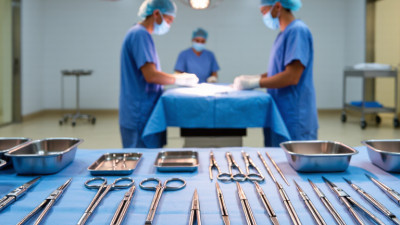
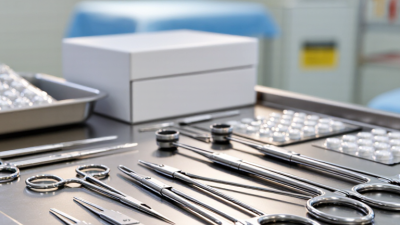
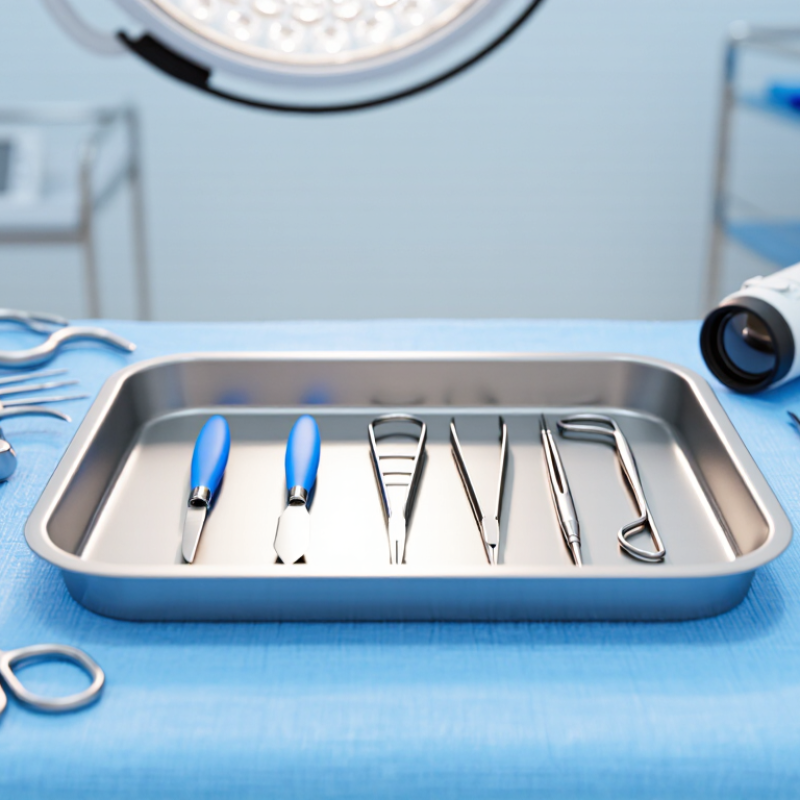
A familiar stainless-steel tray might contain a scalpel, forceps, scissors, clamps, and needle holders. More specialized procedures may also require cameras, powered instruments, or equipment for managing fluids. The exact selection varies by procedure, clinical setting, and the needs of the patient. Fit matters. The phrase “equipment surgical” may appear in online searches, but clear categories make comparisons easier.

This guide introduces the top types of surgical equipment and the roles they commonly serve. It looks at cutting and dissecting instruments, grasping tools, retractors, clamps, suturing instruments, and visualization equipment. It also explains why design, materials, and handling can differ between instrument types. A scalpel, for example, makes controlled incisions; forceps help grasp tissue or materials. These examples are general, not instructions for performing a procedure.

Instrument names and groupings are not always perfectly neat. Some tools serve more than one purpose, and terminology can vary across specialties. That deserves a closer look. Reliable selection depends on the procedure, professional training, manufacturer guidance, and a facility’s established protocols. Understanding the basics can help readers recognize what different tools are designed to do—without mistaking an overview for clinical advice.
What Are the Top Types of Surgical Equipment?

How Surgical Equipment Is Classified by Function

What Are the Top Types of Surgical Equipment?
How Surgical Equipment Is Classified by Function

Surgical equipment is easier to understand when grouped by what it does, not just how it looks. Cutting and dissecting instruments make precise incisions or separate tissue. Graspers hold tissue, while clamps control bleeding or temporarily close vessels. Retractors move tissue aside, giving the team a clearer view of the surgical field. These roles can overlap; a tool’s exact use depends on the procedure and the surgeon’s technique.

Other functional groups include suturing instruments for wound closure, suction devices for removing fluids, and energy-based tools for cutting or coagulation. Visualization and monitoring equipment, such as endoscopes and patient monitors, support the team but serve different purposes. CDC guidance notes that surgical site infections account for about 20% of healthcare-associated infections among hospitalized patients. This figure does not mean instruments are the sole cause. It does underline why cleaning, inspection, and sterilization matter.

Tips: Match each instrument to its intended task, then check its instructions for use and reprocessing requirements. Look closely at joints, teeth, and narrow channels; residue can be easy to miss. Functional categories help, but they are not perfect—some devices perform several jobs.

What Are the Top Types of Surgical Equipment? — How Surgical Equipment Is Classified by Function
Functional category Examples Primary function Common use in surgery
Cutting and dissecting instruments Scalpels, surgical scissors, and curettes Cut tissue or separate and remove tissue in a controlled manner. Making incisions, trimming tissue, and performing dissection.
Grasping and holding instruments Forceps and tissue-holding clamps Hold, manipulate, or stabilize tissue and other materials. Handling tissue or securing materials during a procedure.
Clamping and occluding instruments Hemostatic clamps and vascular clamps Temporarily compress blood vessels or other structures. Controlling bleeding or restricting flow while a surgical task is performed.
Retracting and exposing instruments Handheld and self-retaining retractors Move tissue aside to improve access and visibility. Maintaining exposure of the operative area.
Suturing and closure instruments Needle holders, surgical needles, and stapling devices Bring tissue edges together or secure tissue and materials. Closing incisions or repairing tissue, depending on the procedure.
Suction and irrigation equipment Suction tips, tubing, and irrigation systems Remove fluids or deliver sterile fluid to an operative site. Clearing blood or fluid and rinsing the surgical field when appropriate.
Energy-based instruments Electrosurgical instruments and surgical lasers Apply energy for cutting, coagulation, or tissue treatment, depending on the device. Supporting tissue division or bleeding control under appropriate clinical protocols.
Visualization equipment Endoscopes, cameras, and surgical lights Provide illumination and views of the operative site. Supporting direct or minimally invasive visualization.
Access and dilation instruments Trocars, cannulas, and dilators Create or maintain access pathways or gradually widen an opening. Providing access for instruments or visualization in selected procedures.
Powered surgical instruments Powered drills, saws, and drivers Use mechanical power to cut, shape, or drive compatible components. Commonly used in procedures involving bone or other specialized tasks.

Cutting and Dissecting Instruments

Cutting and dissecting instruments separate tissue, shape an incision, or control bleeding. Common examples include scalpels, surgical scissors, dissecting knives, and curettes. A scalpel’s fine edge suits precise incisions; scissors can cut tissue or suture material, depending on their design. The distinction matters. A blunt-tipped dissector may spread tissue planes, while a sharp tip can divide them. Technique and instrument choice depend on the procedure and the clinician’s training.

The scale of surgical care makes dependable instruments essential.

234 million operations worldwide each year
313 million operations estimated in 2015

A 2008 Lancet analysis estimated 234 million operations worldwide each year; the Lancet Commission on Global Surgery estimated 313 million in 2015. These figures use different methods and years, so they are not directly comparable. Still, they show how frequently surgical teams rely on precise tools.

In practice, inspect the blade for damage, confirm scissors move smoothly, and keep cutting edges protected during handling. Small details matter. A tool that feels awkward or dull can make controlled work harder; that judgment is partly subjective, and instrument categories sometimes overlap.

Sources: Weiser et al., The Lancet, 2008; Meara et al., The Lancet, 2015.

Grasping, Clamping, and Retracting Instruments

What Are the Top Types of Surgical Equipment?

Grasping, Clamping, and Retracting Instruments

Grasping instruments hold tissue or materials steady. Fine, atraumatic forceps can handle delicate tissue, while toothed forceps provide a firmer grip on tougher tissue. Clamping instruments, such as hemostats and vascular clamps, control bleeding by applying pressure. Their ratchets should lock securely without forcing the jaws closed. Retractors hold an incision open, giving the surgical team a clearer view. Handheld models need steady positioning; self-retaining models can free an assistant’s hands. Small choices matter: a jaw that slips or presses too hard can disrupt the task. Instrument selection still depends on the procedure, tissue, and surgeon’s judgment.

The WHO-led Safe Surgery Saves Lives study examined checklist use at eight hospitals. Reported complications fell from 11% to 7%, while deaths fell from 1.5% to 0.8% (Haynes et al., New England Journal of Medicine, 2009). The study assessed a safety checklist, not individual instruments. Still, it highlights the value of consistent checks before and during surgery. A checklist cannot replace sound judgment.

Tips: Inspect jaws, hinges, and ratchets before use. Match grip strength to the tissue. Release retractors briefly when appropriate, and check for excess tension. A tool can look suitable on the tray yet feel awkward in practice; that is worth noticing and discussing during review.

Suturing and Wound-Closure Instruments

What Are the Top Types of Surgical Equipment?
Suturing and Wound-Closure Instruments

Suturing sets commonly include needle holders, tissue forceps, and suture scissors. A needle holder grips the curved needle while the surgeon guides it through tissue. Fine forceps steady wound edges; scissors trim the thread close to the knot. Skin staplers and clips can also close selected wounds. The right choice depends on the site, tissue, and procedure.

Good closure depends on more than the instrument. The World Health Organization’s 2016 Global Guidelines for the Prevention of Surgical Site Infection report that surgical site infections affect up to 11% of patients undergoing surgery in low- and middle-income countries. That figure does not measure device performance, but it highlights why careful wound management matters. Check that instruments open smoothly, lock securely, and suit the task. A stiff hinge can make delicate work harder. Small details matter.

Tips: Inspect needle-holder jaws and scissors before use. Confirm that the selected needle and suture suit the tissue and closure plan. Follow facility protocols for instrument processing and handling. When unsure, pause and reassess; a familiar tool is not always the right tool.

What Are the Top Types of Surgical Equipment? — Suturing and Wound-Closure Instruments

The chart counts selected instrument examples in each functional group: needle holders (Mayo-Hegar, Mathieu, and Olsen-Hegar), tissue forceps (Adson and DeBakey), scissors (suture and Metzenbaum), clamps (mosquito and Kelly), and mechanical closure tools (skin stapler and clip applier). These counts describe the examples shown, not how frequently instruments are used.

Energy-Based and Specialized Surgical Equipment

Energy-based surgical equipment converts electricity, sound, or light into controlled tissue effects. Electrosurgical units cut or coagulate; ultrasonic instruments divide tissue through vibration; lasers deliver focused energy. In the operating room, staff check generator settings, cable insulation, return-electrode contact, and smoke evacuation. A small setup error can change tissue effects. Details matter.

Specialized equipment is selected for the procedure. Laparoscopic systems pair cameras with long instruments; orthopedic drills support bone work; microsurgical tools handle fine vessels. The Lancet Commission on Global Surgery estimated that 143 million additional operations are needed annually in low- and middle-income countries. A 2008 Lancet study estimated 234.2 million operations took place worldwide in 2004. These figures indicate substantial need, but do not predict device sales.

Selection should match the tissue, access route, sterilization workflow, and staff training. WHO’s 2016 surgical-site infection guidelines stress reliable infection-prevention practices, including appropriate instrument reprocessing. Small margins matter. A sophisticated handpiece is not automatically safer. Teams should verify compatibility, maintenance schedules, and backup plans before use. Evidence may not transfer cleanly between specialties, and local workflow still matters.

Back to top