Top 10 Used Surgical Equipment for Global Buyers?
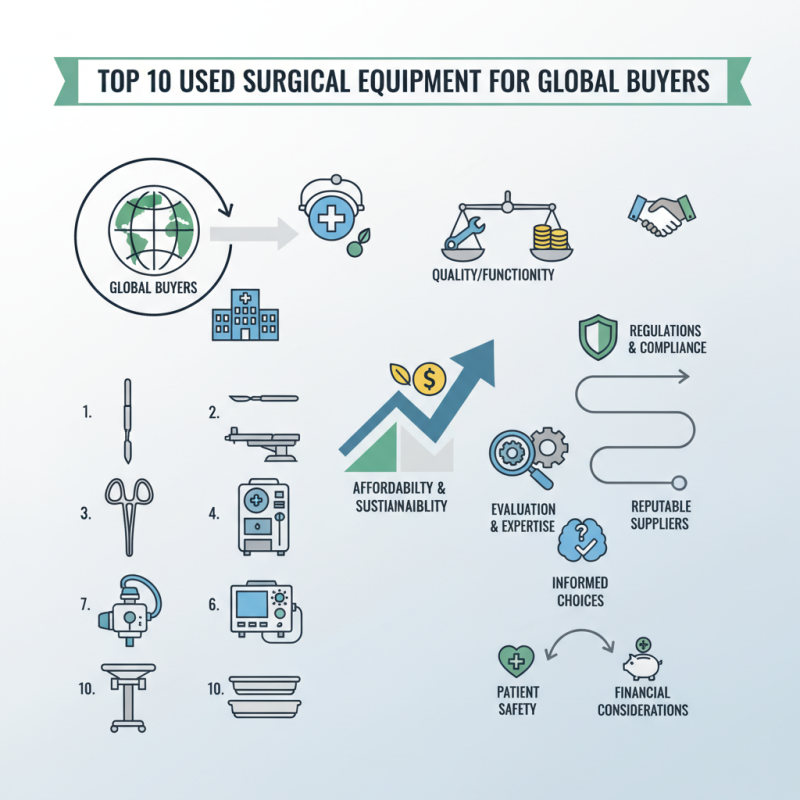
In the medical field, the demand for used surgical equipment continues to rise among global buyers. Hospitals and clinics seek affordable yet reliable surgical tools to enhance patient care. This trend showcases the growing importance of sustainability in healthcare, as facilities aim to reduce costs while maintaining high standards.
Choosing the right used surgical equipment requires expertise. Buyers must evaluate the condition and functionality of each item. Some equipment may have wear and tear, which can affect performance. The challenge lies in balancing cost with quality. It is vital to work with reputable suppliers to avoid potential pitfalls.
Furthermore, navigating the global market for used surgical equipment can be daunting. Variations in regulations and standards emerge across different regions. Buyers should be diligent in understanding the legalities. This awareness ensures that they procure equipment that complies with local laws. Ultimately, making informed choices in this sector is crucial for both financial and patient safety considerations.
Types of Surgical Equipment Commonly Used Worldwide
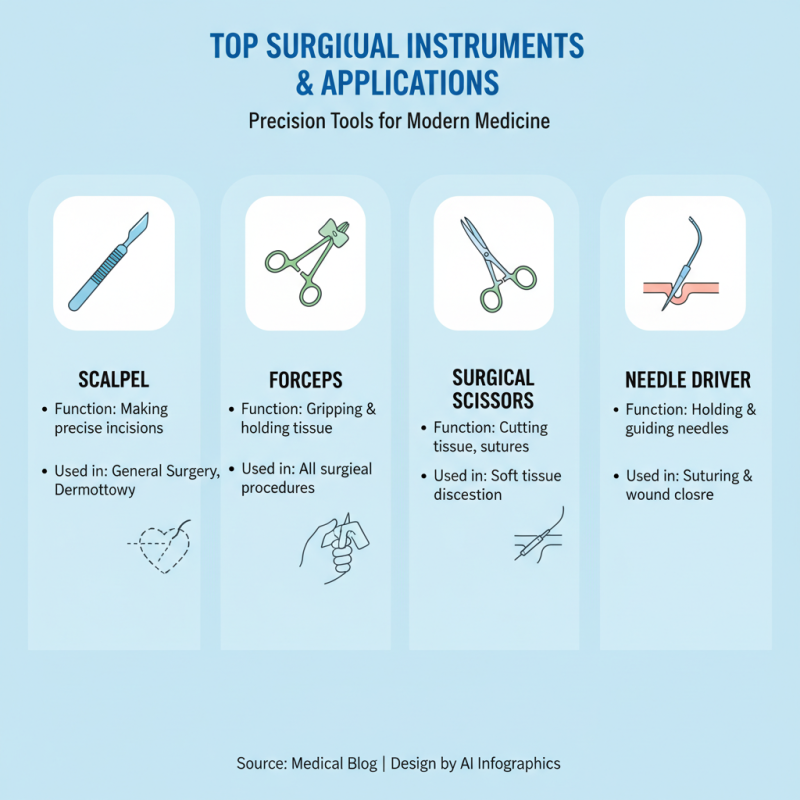
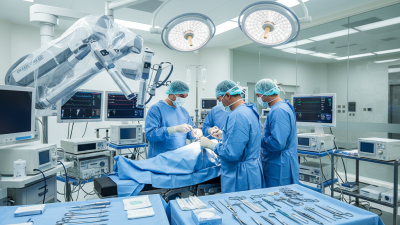
Surgical equipment plays a crucial role in modern healthcare. Various types of instruments are widely used, ensuring patient safety and successful outcomes. Basic tools like scalpels and scissors remain essential for making precise incisions. Specialty instruments such as forceps are used for grasping tissues during surgery. Each tool comes with unique designs catering to specific needs.
In operating rooms across the globe, equipment like hemostats and needle holders are common. These tools are important for controlling blood flow during procedures. Additionally, retractors help surgeons maintain visibility by holding back skin or organs. However, reliance on these instruments must be balanced with careful training and experience. Misuse can lead to complications.
Surgical drapes and antiseptic solutions are equally important. They maintain a sterile environment and minimize infection risks. Despite their importance, errors occur in preparation and use. It’s essential for surgical teams to review and reflect on their processes. Continuous education and practice can improve outcomes and patient safety in surgery.
Factors Influencing the Demand for Surgical Equipment Globally
The demand for surgical equipment is influenced by several key factors. One of the most significant is the rise in surgical procedures globally. According to a report by GlobalData, the total number of surgical procedures is projected to reach 392 million by 2026. This increase is driven by an aging population and the prevalence of chronic diseases, which require surgical intervention.
Technological advancements also play a vital role. Innovations such as minimally invasive surgery improve patient outcomes and reduce recovery times. A report from MarketsandMarkets indicates that the minimally invasive surgical instruments market is expected to grow at a CAGR of 9.2% between 2021 and 2026. This trend shows a shift toward more efficient and patient-friendly surgical options.
Tip: When considering surgical equipment, assess the specific needs of the facility and patient demographics. Customization can lead to better outcomes.
Another critical factor is healthcare infrastructure development. As emerging economies enhance their healthcare systems, the demand for surgical equipment rises. The World Bank estimates that in many low-income countries, healthcare spending will increase significantly over the next decade. However, disparities still exist; some regions may struggle with outdated equipment due to budget constraints.
Tip: Keep up with the latest trends in healthcare investments. Stay informed about regions experiencing rapid healthcare growth.
In summary, understanding these influencing factors is essential for global buyers in the surgical equipment market.
Top Surgical Instruments and Their Applications in Various Procedures
Surgical instruments play a vital role in various medical procedures. Their design and precision directly influence patient outcomes. Each instrument serves a unique purpose, whether for cutting, suturing, or clamping tissue. For instance, scalpels are essential for making precise incisions, while forceps provide a secure grip on tissues.
In orthopedic surgeries, specialized tools like bone saws and drills are imperative for successful outcomes. These instruments are engineered for durability and precision. However, not all procedures guarantee optimal results. Surgical teams often face challenges, such as instrument failure or misapplication. Continuous training and evaluation are crucial.
In minimally invasive surgery, laparoscopic instruments offer innovative solutions. These tools enhance precision and reduce recovery time for patients. Yet, they require a high level of skill and expertise. Mistakes can lead to complications, which underscores the need for rigorous practice and assessment in surgical training. The proper use of surgical instruments reflects both the skill of the surgeon and the quality of the tools at hand.
Key Trends in the Used Surgical Equipment Market
The used surgical equipment market is evolving rapidly. Key trends are shaping how global buyers approach their purchasing decisions. One significant trend is the increasing demand for high-quality pre-owned equipment. Buyers are seeking reliable machinery to optimize their surgical outcomes. The focus on quality over brand new products is notable. This shift reflects a growing confidence in refurbished items.
Another crucial trend is the rise of online marketplaces for used surgical gear. Digital platforms are simplifying the buying process. They offer detailed listings, and buyers can compare various options easily. This accessibility helps healthcare facilities, especially in developing countries, acquire necessary tools without overwhelming costs. Each facility has unique needs, underscoring the importance of tailored solutions.
While benefits abound, challenges remain. Not all used equipment meets safety standards. Buyers need to verify the equipment's history and performance. Transparency is key in this space. Furthermore, regulatory hurdles can complicate imports and sales. These factors urge prospective buyers to conduct thorough research. Finding trustworthy suppliers becomes essential for success.
Top 10 Used Surgical Equipment for Global Buyers
| Equipment Type |
Market Share (%) |
Average Price (USD) |
Growth Rate (%) |
| Surgical Tables |
25 |
$10,000 |
5 |
| Surgical Lights |
20 |
$8,000 |
7 |
| Suction Machines |
15 |
$2,500 |
4 |
| Anesthesia Machines |
12 |
$15,000 |
6 |
| Electrosurgical Units |
10 |
$5,000 |
3 |
| Patient Monitors |
8 |
$7,000 |
5 |
| Sterilizers |
6 |
$3,500 |
4 |
| Stretchers |
4 |
$1,500 |
3 |
| Defibrillators |
3 |
$6,000 |
5 |
| Ultrasound Machines |
2 |
$12,000 |
6 |
Guidelines for Buying Used Surgical Equipment for Medical Facilities
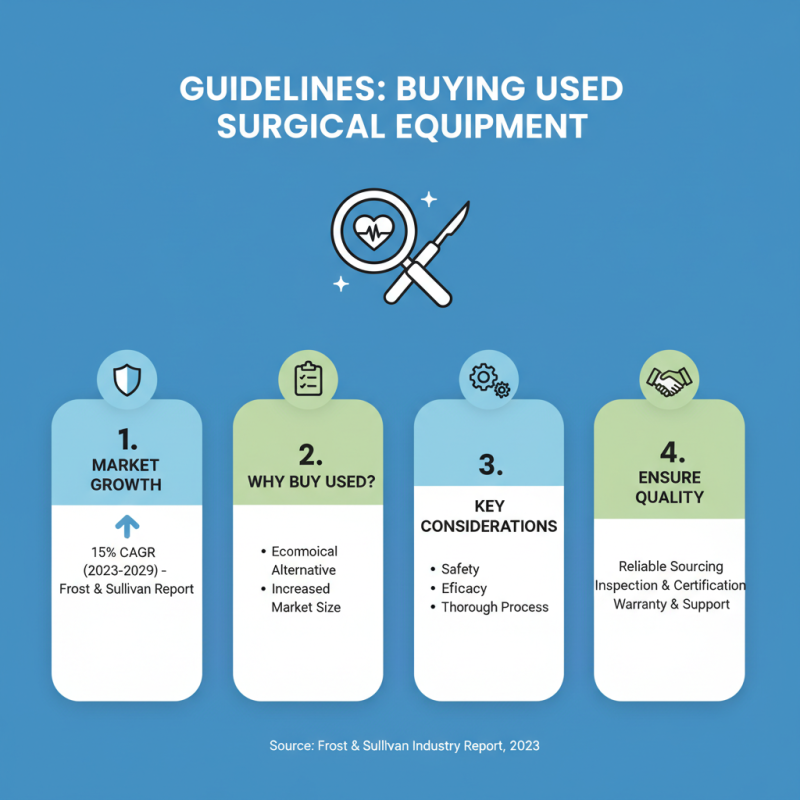
In today's healthcare landscape, sourcing used surgical equipment can be an economical alternative for medical facilities. According to a recent industry report from Frost & Sullivan, the used medical equipment market is expected to grow at a CAGR of 15% from 2023 to 2029. This growth emphasizes the need for a thorough buying process to ensure safety and efficacy.
When considering used surgical equipment, buyers must prioritize reliability and condition. Look for devices with detailed maintenance histories and documentation. The FDA recommends that all equipment adheres to safety standards, yet approximately 30% of used equipment may not meet these guidelines upon initial inspection. Regular training and clear protocols are essential for staff operating these devices, ensuring compliance and patient safety.
Cost is just one element of the equation. A 2021 study found that about 20% of facilities reported equipment failure linked to improper refurbishment practices. Buying from reputable suppliers who offer warranty coverage can mitigate risks. The importance of conducting thorough due diligence cannot be overstated. Medical facilities should carefully evaluate each piece of equipment and seek peer recommendations before making a purchase.