Top Transfer Pipette Tips for Accurate Liquid Handling
Accurate liquid handling is crucial in laboratory settings, particularly when using Transfer Pipettes. According to the American National Standards Institute (ANSI), the precision of liquid transfers can impact experimental outcomes significantly. A report from the Association for Analytical Chemistry highlights that improper handling may lead to discrepancies in up to 30% of analytical results, underscoring the need for high-quality transfer pipettes.
Transfer pipettes are vital tools in various industries, ranging from pharmaceuticals to environmental testing. Their design influences accuracy and reproducibility. A study by the Journal of Liquid Handling Technology revealed that incorrect technique could result in over 15% measurement error. This evokes reflection on the importance of training and standard operating procedures.
While most research emphasizes sophisticated devices, simple transfer pipettes remain important. Ensuring they are used correctly is essential to avoid compounding errors. Regular calibration and user training are necessary yet often overlooked aspects of effective liquid handling. Investing in these areas can enhance the reliability of lab results across disciplines.
Understanding the Basics of Transfer Pipettes
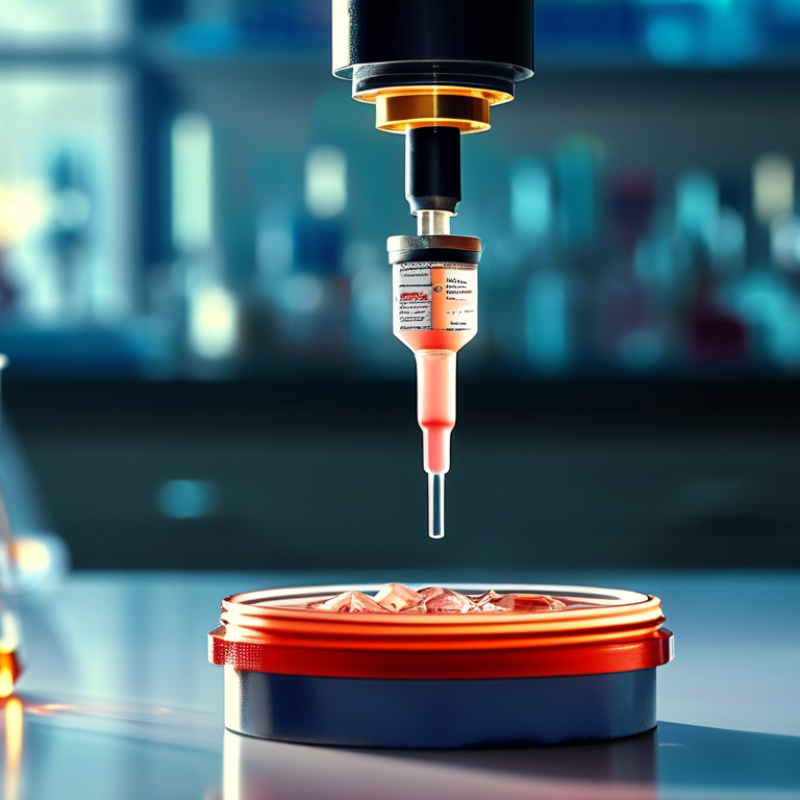
Transfer pipettes are essential tools for precise liquid handling in labs. Understanding their design and functionality is crucial for achieving accurate results. These pipettes allow users to transfer specific volumes of liquids safely and efficiently. Their construction typically includes a shaft and a bulb that facilitates liquid movement through suction and release.
The accuracy of a transfer pipette depends on proper technique. Users should always ensure the pipette is held vertically when drawing liquid. This prevents air bubbles and ensures a steady flow. Overfilled or underfilled pipettes can lead to significant errors in experiments. It’s important to practice consistent techniques, yet many struggle with this aspect. Small adjustments in grip or angle can change volume delivery. Observing these details enhances reliability in results.
Cleaning and maintenance of transfer pipettes are often overlooked. Residues can affect subsequent measurements. Regular cleaning is essential to maintain hygiene and accuracy. Users often underestimate the impact of a dirty pipette, which can yield unpredictable outcomes. A methodical approach to handling these tools fosters confidence in their use, underscoring the importance of training and awareness in laboratory settings.
Choosing the Right Transfer Pipette for Your Needs
When it comes to liquid handling, selecting the right transfer pipette is crucial. Accurate measurements can significantly influence experimental results. Different projects require different pipette types. You may find yourself needing a volumetric pipette for precise volumes or a Graduated Pipette for a range. Each type serves a purpose.
Consider the material of the pipette. Glass might offer accuracy, but plastic is often more durable and easier to handle. Pay attention to the volume range as well. Using a pipette that doesn't fit your desired measurement can lead to errors. Think about your specific needs first. In practice, many users overlook the importance of proper calibration, which is vital for consistent results.
Lastly, evaluate the ease of use. A pipette that feels uncomfortable can lead to mistakes during long hours in the lab. It's also essential to note that while features like tips can enhance performance, they may not always be necessary. Reflecting on what functions you truly need can save both time and resources. Being mindful of these aspects will help refine your choices in transfer pipettes.
Essential Techniques for Accurate Liquid Handling
Accurate liquid handling is critical in various laboratory settings. Mastering the use of pipettes can significantly improve your results. To achieve precision, start with choosing the right tip. A well-fitted tip ensures no air gaps, preventing variations in sample volume. Regularly check that the pipette and tip are clean and free from any residue. This helps maintain integrity during liquid transfers.
Practicing consistent technique is essential. Hold the pipette vertically during aspiration to avoid trapping air. When dispensing, angle it slightly downwards. This allows for better control and minimizes residual liquid left in the tip. It's common to encounter issues, such as inconsistent volume delivery. Reflect on your technique if this arises. Make adjustments as necessary to refine your approach.
In addition, calibrating your pipettes regularly is vital for maintaining accuracy. Over time, even high-quality pipettes can drift from their calibrated settings. Keeping a log of your calibrations can help identify patterns in performance. Incorporate these reflections into your practice. Recognizing areas for improvement is a part of mastering liquid handling and achieving reliable results.
Common Mistakes to Avoid When Using Transfer Pipettes
Using transfer pipettes can be straightforward, but many users make common mistakes. One frequent error is not pre-wetting the pipette tip. This can lead to inaccurate volumes. When you draw liquid into a new tip, the surface tension can cause some solution to remain on the tip. A quick pre-wet helps to mitigate this issue significantly.
Another common pitfall is holding the pipette at an angle. Ideally, it should be vertical during liquid aspiration and dispensing. An improper angle can cause air bubbles or inconsistent liquid volumes. Additionally, users often forget to fully depress the plunger to the second stop when dispensing. This step ensures that all liquid is delivered accurately.
People sometimes rush through their pipetting tasks, which leads to errors. It’s crucial to be patient and maintain a steady hand. Minor distractions can lead to major inaccuracies. Pay attention to the markings on the pipette. Even a slight miscalculation can affect experimental results. Taking the time to adjust your technique can yield much better outcomes.
Maintenance Tips for Ensuring Pipette Accuracy and Longevity
Proper maintenance of pipettes is crucial for accurate liquid handling. Research indicates that pipette calibration should occur at least once a year. Neglecting this can lead to significant inaccuracies in measurements. According to a 2021 report, 85% of inaccuracies in laboratories stem from poorly maintained equipment. Regular calibration ensures that your pipettes deliver precise volumes, which is vital for experimental integrity.
Cleaning pipettes regularly also plays a vital role in their longevity. Over time, residue can build up inside the pipette, affecting performance. Simple cleaning procedures should be established, such as using distilled water for internal rinsing and proper drying techniques. A study showed that 70% of laboratory errors arose from contamination and overuse of pipettes without proper maintenance.
Another critical aspect is the proper handling of pipettes. Users should be trained to avoid excessive force during pipetting. Gripping the pipette too tightly might lead to mechanical stress, reducing its lifespan. It's not uncommon for lab personnel to overlook this, often resulting in not just equipment wear, but also compromised accuracy. By implementing routine checks and educating staff, labs can enhance both their results and the lifespan of their pipettes.