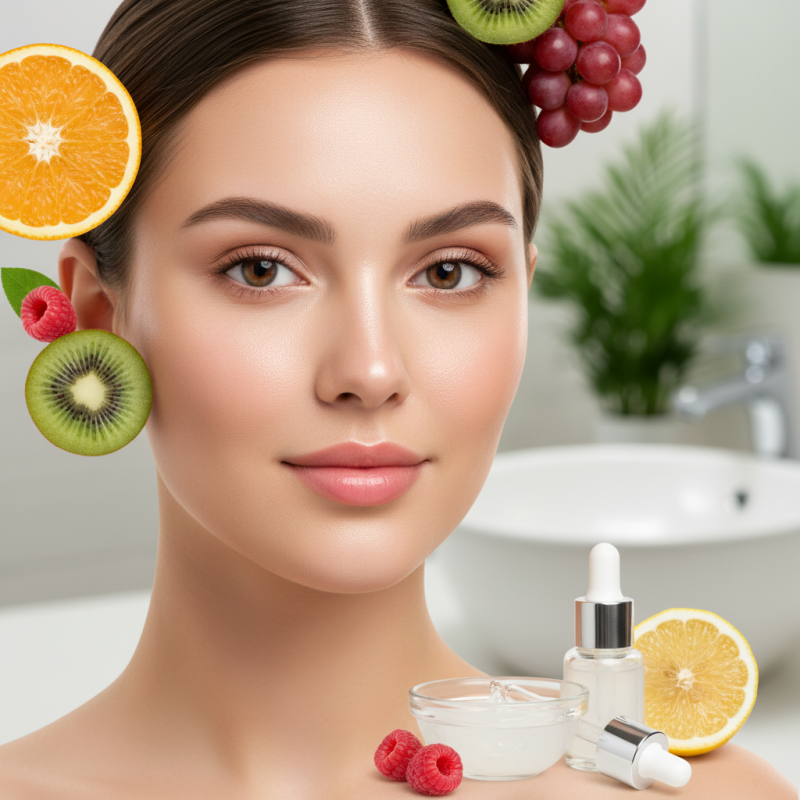
Top 10 Benefits of Fruit Acids for Your Skin Health?
Fruit Acids, also known as alpha hydroxy acids (AHAs), are gaining popularity in skincare. These naturally occurring acids from fruits offer numerous benefits for skin health. They can improve skin texture, promote cell turnover, and enhance hydration.
Using fruit acids can give your skin a youthful glow. They exfoliate dead skin cells, revealing brighter skin underneath. Many people notice a reduction in fine lines and wrinkles. However, it’s important to use them correctly. Overuse can lead to irritation or sensitivity.
Professionals often recommend starting with lower concentrations. Each individual's skin responds differently, so it’s beneficial to consult with a dermatologist. Incorporating fruit acids into your routine can elevate your skincare regimen. Yet, awareness of one’s skin type is crucial for effective use. Balancing the benefits and potential drawbacks will lead to healthier skin.
Top 10 Benefits of Fruit Acids for Your Skin Health
Fruit acids, also known as alpha hydroxy acids (AHAs), offer incredible benefits for skin health. They help exfoliate, promoting a smoother texture. Regular use can reduce the appearance of fine lines and wrinkles. These acids naturally occur in fruits like citrus, apples, and grapes. Their ability to boost collagen production helps achieve youthful skin.
Incorporating fruit acids into your routine requires care. Avoid using them daily if you have sensitive skin. Start with once or twice a week. Protect your skin from sun exposure, as AHAs can increase sensitivity. A gentle cleanser follows after applying fruit acids to cleanse any residue. You want your skin to breathe and regenerate effectively.
Always monitor how your skin reacts. If irritation occurs, reduce usage or consult a dermatologist. Keep hydration in check by applying a good moisturizer afterward. This is essential for balancing skin's moisture levels. Consider patch testing on a small area before fully incorporating any product. Embracing these practices can enhance your fruit acid experience, unveiling a healthier complexion.
Understanding Fruit Acids: Types and Their Sources
Fruit acids, also known as alpha hydroxy acids (AHAs), play a significant role in skin health. They come from various fruits like citrus, apples, and grapes. These natural compounds help promote exfoliation, improving skin texture and tone. According to a 2021 report from the International Journal of Cosmetic Science, AHAs can enhance skin hydration by up to 40%, making them essential for many skincare routines.
Citrus fruits are major sources of citric acid, a common fruit acid. Popular for their brightening effects, citric acid aids in reducing dark spots. Malic acid, found in apples, helps improve skin’s elasticity and firmness. In contrast, glycolic acid, derived from sugarcane, is known for its ability to penetrate deeper layers of skin, supporting collagen production. However, it's important to use these acids judiciously. Over-exfoliation can lead to irritation and heightened skin sensitivity.
Research shows that users often underestimate the importance of patch testing when trying new fruit acid products. A study published in the Journal of Dermatology found that 30% of individuals experience mild irritation when first using AHAs. Understanding your skin type and adjusting product concentration can prevent unwanted side effects. Balancing the benefits of fruit acids with caution is key to achieving healthier skin.
Exfoliation Power: How Fruit Acids Remove Dead Skin Cells
Fruit acids, also known as alpha hydroxy acids (AHAs), play a powerful role in skin exfoliation. These natural acids come from various fruits like citrus, apples, and grapes. They gently dissolve the bonds that hold dead skin cells together. As a result, your skin feels smoother and looks brighter.
Using fruit acids can improve skin texture over time. Many people notice a difference after just a few applications. However, not everyone reacts the same way. Some may experience irritation or redness. Testing a small area of skin can help avoid adverse reactions.
Incorporating fruit acids into your routine can be rewarding but requires caution. Over-exfoliation can lead to sensitivity and dryness. Finding the right balance is essential. Always follow up with moisturizer and sunscreen, as exfoliated skin is more vulnerable to sun damage. This proactive approach can help you achieve healthier skin and enjoy the benefits of fruit acids.
pH Balance and Skin Health: The Role of Fruit Acids
Fruit acids, also known as alpha-hydroxy acids (AHAs), play a significant role in maintaining pH balance for skin health. These natural acids are derived from various fruits and help to exfoliate the skin. When the pH of the skin is balanced, it can function optimally. An ideal pH level promotes a healthy skin barrier, allowing it to retain moisture and keep irritants at bay.
Applying fruit acids can aid in reducing signs of aging. Regular use may improve skin texture and tone. These acids help in dissolving dead skin cells, revealing a fresher layer underneath. However, achieving balance with fruit acids is often tricky. Overuse can lead to irritation or sensitivity, particularly for those with delicate skin. It’s crucial to start slowly and monitor your skin's response.
The benefits of fruit acids extend beyond simple exfoliation. They can support collagen production, enhancing skin firmness. While these acids are beneficial, users should approach their application thoughtfully. Finding the right concentration and frequency can take time, but the rewards are often significant for skin health.
Boosting Collagen Production: Fruit Acids and Skin Firmness
Fruit acids, also known as alpha hydroxy acids (AHAs), play a significant role in boosting collagen production. Collagen is crucial for maintaining skin firmness and elasticity. As we age, collagen levels naturally decline, leading to sagging skin and wrinkles. Incorporating fruit acids into your skincare routine can help stimulate collagen synthesis. This process results in plumper, younger-looking skin.
The effects of fruit acids go beyond just collagen. They also promote exfoliation, removing dead skin cells and revealing a smoother complexion. Regular use can enhance skin texture and reduce the appearance of fine lines. However, results may vary by individual. Some might experience sensitivity or irritation. It's essential to patch-test new products before full application.
Incorporating fruit acids requires patience and consistency. Not everyone will see instant results, and overuse can lead to adverse effects. Finding the right balance is key. Adequate hydration and sun protection are equally important when using acids. They can increase photosensitivity, so applying sunscreen is a must. Understanding your skin and observing how it reacts can lead to better outcomes.
Conclusion
Fruit Acids, derived from various fruits, play a significant role in enhancing skin health through multiple benefits. These organic acids excel in exfoliating the skin by effectively removing dead skin cells, thereby promoting a brighter and more youthful appearance. Additionally, Fruit Acids help maintain pH balance, which is crucial for overall skin health, ensuring that the skin remains hydrated and resilient.
Furthermore, these acids stimulate collagen production, contributing to increased skin firmness and elasticity. Their antioxidant properties also help combat the signs of aging by neutralizing free radicals, thus reducing wrinkles and fine lines. Incorporating Fruit Acids into skincare routines can lead to improved skin texture and a revitalized complexion, making them an essential component of effective skincare therapies.