Top 10 Medical Instruments Every Healthcare Professional Should Know About
In the ever-evolving landscape of healthcare, the importance of medical instruments cannot be overstated. These tools are not merely accessories; they are the backbone of efficient diagnosis, treatment, and patient care. Dr. Emily Harrison, a renowned expert in medical technology, once stated, "The right medical instruments can drastically improve patient outcomes and streamline healthcare practices." This sentiment captures the essence of why every healthcare professional must be well-versed in the fundamental instruments of their trade.
Understanding the functionalities and applications of essential medical instruments can significantly enhance the quality of care provided to patients. From stethoscopes to surgical tools, each instrument plays a vital role in the intricate web of medical procedures and patient interaction. As we delve into the top ten medical instruments every healthcare professional should know about, it is crucial to recognize how these tools not only facilitate medical practice but also embody the advancements in technology that drive the industry forward. With each instrument holding specific importance in varying medical situations, the knowledge and skillful application of these tools will ultimately define the effectiveness of healthcare delivery today and in the future.
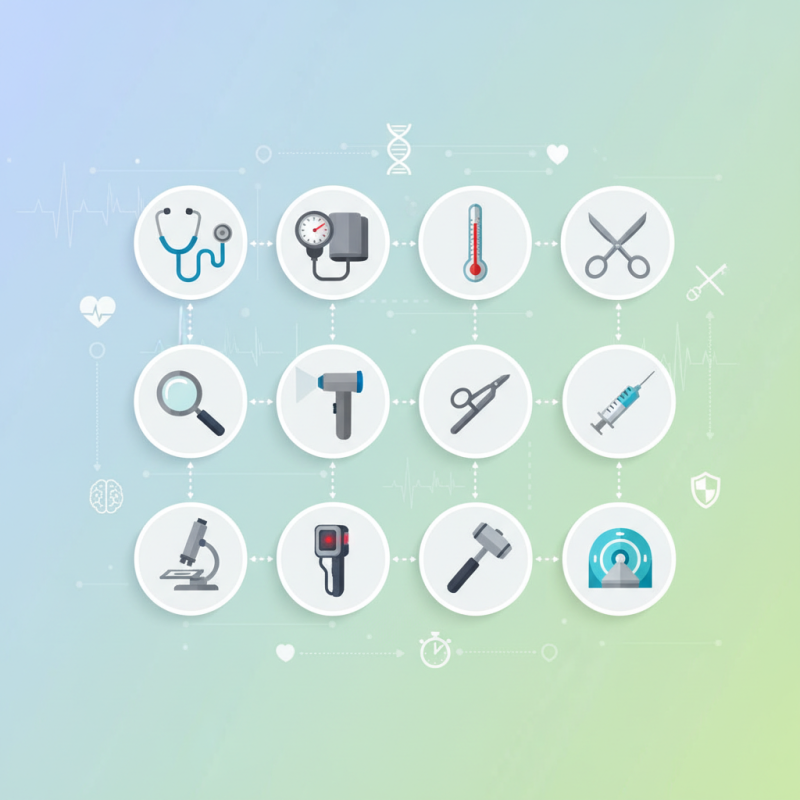
Essential Diagnostic Instruments in Healthcare Practice
In the realm of healthcare, diagnostic instruments play a crucial role in ensuring effective patient evaluation and treatment. Among the most essential tools is the stethoscope, which enables healthcare professionals to listen to internal sounds of a patient’s body, facilitating the diagnosis of conditions related to the heart and lungs. Another important instrument is the sphygmomanometer, which measures blood pressure—a key indicator of cardiovascular health. These tools not only aid in patient assessment but also contribute to the ongoing monitoring of chronic conditions, ensuring timely interventions.
Additionally, the otoscope and ophthalmoscope serve as vital instruments for examining the ears and eyes, respectively. These diagnostic tools allow healthcare providers to identify common issues such as infections or abnormalities early on, leading to more effective management.
The thermometer, whether digital or infrared, remains indispensable in assessing body temperature and detecting fever, a common sign of infection. Collectively, these diagnostic instruments empower healthcare professionals to deliver precise and timely care, ultimately enhancing patient outcomes in a variety of clinical settings.
Life-Saving Tools: The Role of Surgical Instruments
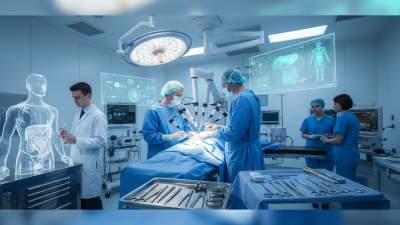
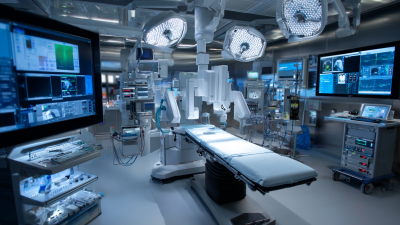
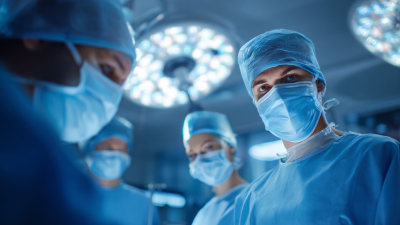
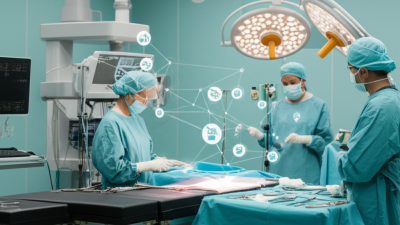
Surgical instruments play a pivotal role in modern medicine, serving as essential tools that assist healthcare professionals in delivering life-saving interventions. From scalpels to forceps, each instrument is designed for specific tasks, ensuring precision and effectiveness in procedures. Understanding the function and proper use of these instruments can greatly enhance a clinician’s ability to perform surgeries and manage traumatic injuries effectively.
When working with surgical instruments, it is crucial to maintain a sterile environment. Cross-contamination can lead to serious infections and complications. Always ensure that all tools are properly sterilized before use, and adhere strictly to the protocols for handling and disposing of any used instruments.
Another tipping point in surgical practice is the importance of knowing the anatomy relevant to the instruments at hand. A thorough understanding of the surgical area can help in choosing the right instrument for the task, minimizing the risk of errors during the procedure. Healthcare providers should continuously update their skills and knowledge regarding new surgical tools and techniques, as advancements in medical technology can enhance outcomes for patients significantly.
Patient Monitoring Devices: Ensuring Vital Signs are Checked
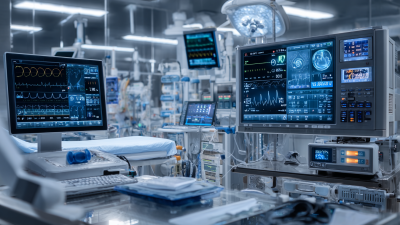
Patient monitoring devices are essential tools in modern healthcare, allowing professionals to continuously assess and track vital signs such as heart rate, blood pressure, respiratory rate, and oxygen saturation. According to a report by Grand View Research, the global patient monitoring devices market was valued at over $20 billion in 2021 and is expected to grow at a compound annual growth rate (CAGR) of 7.5% from 2022 to 2030. This growth underscores the increasing demand for reliable monitoring systems that can improve patient outcomes and streamline clinician workflows.
One key advantage of patient monitoring devices is their ability to provide real-time data, which is crucial in critical care settings. Continuous monitoring allows healthcare providers to detect changes in a patient's condition promptly, potentially preventing complications and facilitating timely interventions. Research from the Journal of Clinical Monitoring and Computing indicates that the use of advanced monitoring technologies can significantly reduce the rate of adverse events in hospitalized patients, emphasizing the importance of incorporating these instruments into everyday practice. As healthcare continues to evolve, equipping professionals with the knowledge and skills to utilize patient monitoring devices effectively will remain a top priority in delivering safe and efficient care.
Top 10 Medical Instruments Every Healthcare Professional Should Know About - Patient Monitoring Devices: Ensuring Vital Signs are Checked
| Instrument Name |
Purpose |
Key Features |
Common Use |
| Electrocardiogram (ECG) |
Monitors heart activity |
Real-time heart signal representation |
Cardiology departments |
| Pulse Oximeter |
Measures oxygen saturation |
Non-invasive, portable |
Emergency rooms |
| Blood Pressure Monitor |
Assesses blood pressure levels |
Digital or manual readings |
Routine check-ups |
| Temperature Gauge |
Monitors body temperature |
Digital, infrared, or glass thermometers |
General health assessment |
| Capnometer |
Measures carbon dioxide levels |
Real-time capnography |
Anesthesia monitoring |
| Multi-parameter Monitor |
Monitors multiple vital signs |
Displays heart rate, blood pressure, oxygen saturation |
ICU, surgical settings |
| Stethoscope |
Auscultates internal body sounds |
Acoustic or electronic |
Patient examinations |
| Sphygmomanometer |
Measures blood pressure |
Manual or automatic |
Check hypertension |
| Blood Glucose Meter |
Monitors blood sugar levels |
Portable with quick readings |
Diabetes management |
| Infusion Pump |
Delivers fluids and medications |
Programmable delivery rates |
Critical care |
Rehabilitation Aids: Supporting Recovery and Mobility
Rehabilitation aids play a crucial role in supporting recovery and mobility for patients suffering from various health conditions. These instruments are designed to assist individuals in regaining strength, balance, and mobility after injuries, surgeries, or other health challenges. Common rehabilitation aids include walkers, canes, and crutches, which promote independence and facilitate safe movement. They provide essential support, allowing patients to navigate their environment while minimizing the risk of falls or further injury.
In addition to mobility aids, therapeutic devices such as resistance bands, stability balls, and therapy putties are instrumental in rehabilitation programs. These tools help patients perform specific exercises that target muscle strength, flexibility, and coordination. Physical therapists often utilize these aids to create customized rehabilitation plans tailored to the individual needs of each patient. Moreover, technological advancements have led to the development of innovative rehabilitation aids, such as exoskeletons and adaptive exercise machines, enhancing the recovery process for more severe disabilities. By employing these various instruments, healthcare professionals can significantly improve the quality of life for their patients, promoting independence and encouraging a proactive approach to health and wellness.
Advanced Imaging Equipment: Visualizing Internal Health Issues
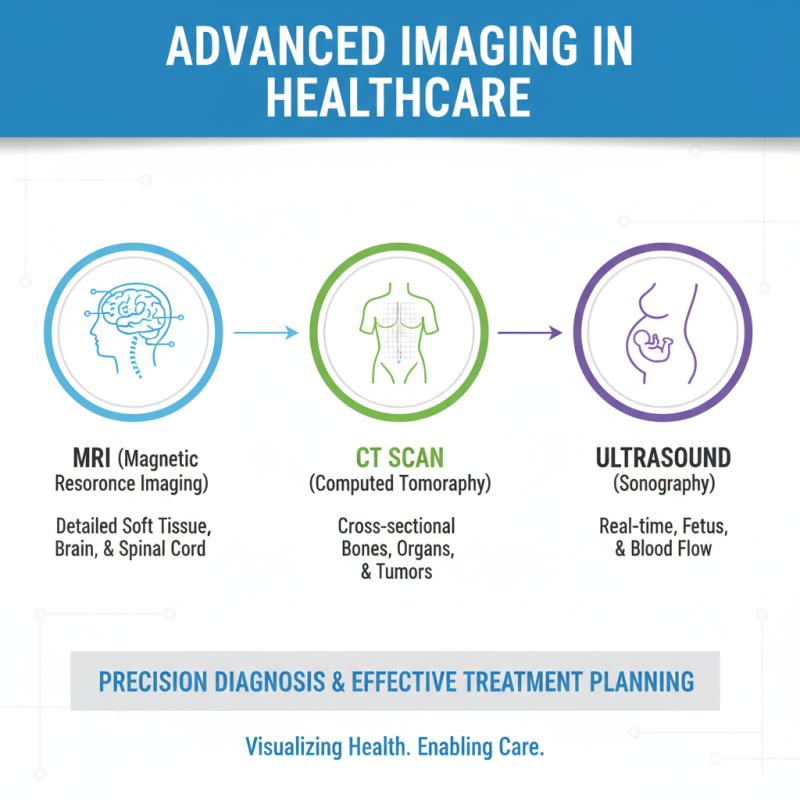
Advanced imaging equipment plays a crucial role in modern healthcare by allowing professionals to visualize internal health issues with precision and accuracy. Technologies such as MRI, CT scans, and ultrasounds provide detailed images of the body's structures, facilitating accurate diagnosis and effective treatment planning. These tools enable healthcare providers to identify and monitor conditions ranging from tumors to fractures, ensuring that patients receive the appropriate care.
Tip: When utilizing advanced imaging equipment, always ensure that the patient is properly informed about the procedure. Clear communication can significantly reduce anxiety levels, leading to a smoother experience for both the patient and the healthcare provider. Furthermore, staying updated with the latest imaging techniques can enhance diagnostic capabilities and improve patient outcomes.
Another essential aspect is the importance of proper training and familiarity with the equipment. Healthcare professionals should commit to ongoing education to understand the advancements in imaging technologies. This not only improves their proficiency but also enables them to interpret results accurately, ensuring that patients receive timely and effective interventions.
Tip: Regularly participate in training sessions or workshops on the latest imaging techniques. Hands-on experience with newer technologies can boost confidence and competence, ultimately contributing to better patient care and satisfaction.