What is Surgical Equipment? Types, Uses, and Importance in Modern Medicine
In the realm of modern medicine, surgical equipment plays an indispensable role in ensuring the success of surgical procedures. Defined as the tools and devices used during surgeries, these implements are essential for diagnostics, treatment, and patient care. According to a report from Research and Markets, the global surgical equipment market is projected to reach $30 billion by 2026, emphasizing the growing demand and innovation within the industry. This surge highlights the significance of advanced surgical tools in enhancing precision and efficiency during operations.
The types of surgical equipment are diverse, encompassing everything from scalpels and scissors to sophisticated robotic systems and imaging devices. The evolution of surgery equipment has led to minimally invasive techniques that not only reduce recovery time but also minimize complications and patient discomfort. A publication by the World Health Organization indicates that surgical interventions save millions of lives each year, underscoring the critical importance of having reliable and effective surgical instruments available to healthcare providers.
In addition to improving surgical outcomes, the importance of surgical equipment extends to its impact on training and education within the medical field. Advanced simulators and training tools contribute significantly to the proficiency of new surgeons, fostering a generation of medical professionals who are adept in the latest technologies. As the landscape of healthcare continues to evolve, surgery equipment remains at the forefront, driving improvements in procedural effectiveness and patient safety.
Definition and Overview of Surgical Equipment
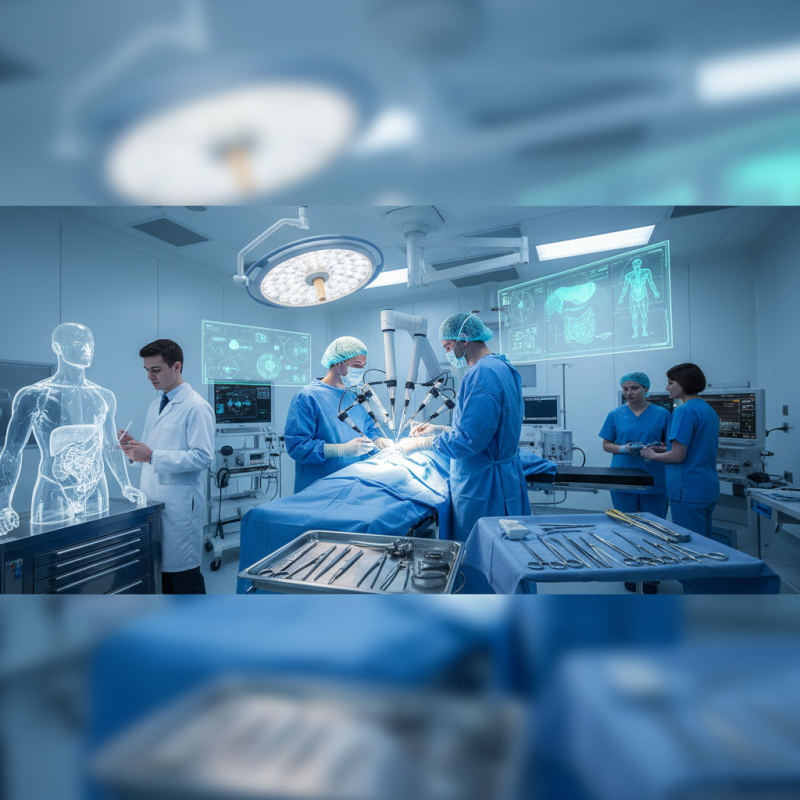
Surgical equipment refers to the tools and devices used by medical professionals to perform surgical operations. This equipment ranges from basic instruments like scalpels and forceps to advanced technologies such as robotic surgical systems and laser devices. The tenacity of surgical operations in modern medicine underscores the critical role these instruments play in ensuring patient safety and achieving successful outcomes. According to the Global Surgical Instruments Market report, the surgical equipment segment is projected to reach a value of over $16 billion by 2025, highlighting the increasing demand for effective surgical tools in healthcare settings.
In the realm of surgical procedures, the importance of specialized equipment cannot be overstated. For instance, laparoscopic tools have revolutionized minimally invasive surgeries, allowing for smaller incisions, reduced recovery times, and less postoperative pain. Various studies indicate that minimally invasive techniques can lead to a 30-50% reduction in hospital stays compared to traditional open surgery. Understanding the diverse types of surgical equipment available and their applications helps healthcare providers select the right tools for each procedure, ultimately improving patient care.
Tips: When choosing surgical equipment, consider factors such as the procedure type, patient condition, and the latest advancements in technology. Regular maintenance and sterilization of surgical instruments are essential to prevent infections and ensure patient safety. Always stay updated with the latest training and certification to effectively use advanced surgical tools.
Main Types of Surgical Instruments and Their Functions
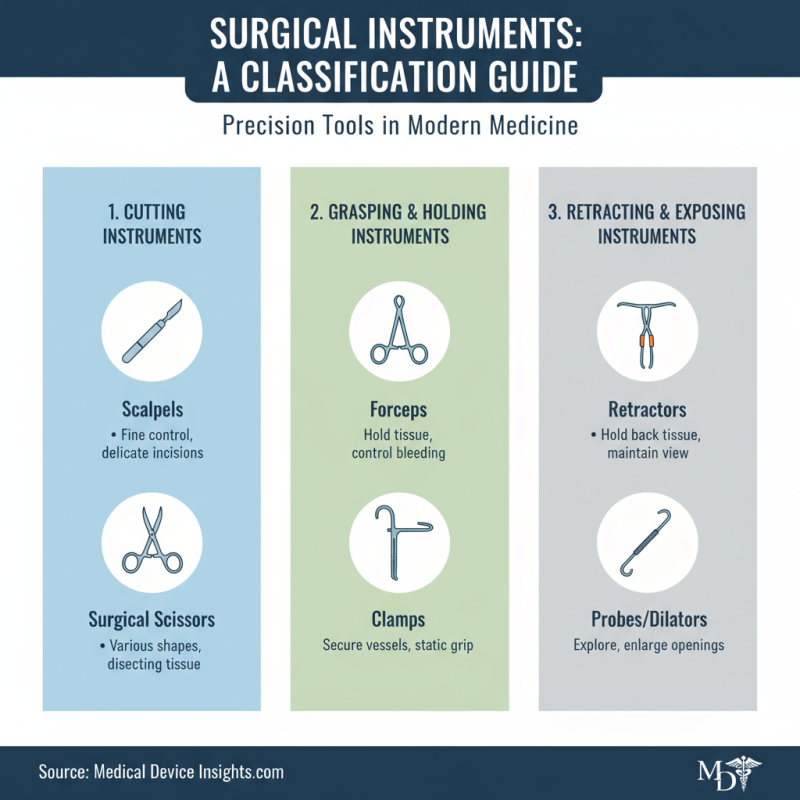
Surgical instruments play a crucial role in modern medicine, facilitating various medical procedures with precision and efficiency. These tools are generally classified into several main types, each serving a distinct function. For instance, cutting instruments like scalpels and scissors are essential for making incisions and dissecting tissues. Scalpels provide fine control for delicate operations, while surgical scissors come in various shapes and sizes designed for different types of cuts and materials.
Another vital category includes grasping instruments such as forceps and clamps. Forceps allow surgeons to hold tissues securely, providing necessary dexterity during complex operations. Clamps, on the other hand, help in controlling bleeding by facilitating the occlusion of blood vessels. Additionally, there are retractors, which are designed to hold back tissues and organs to provide the surgical team with a clear view of the operative area. These instruments not only enhance visibility but also help maintain the position of organs throughout the procedure, ensuring optimal outcomes for patients.
Furthermore, specialized tools like suction devices and electrocautery instruments augment the efficiency of surgical procedures by managing fluids and minimizing blood loss. By using these diverse types of surgical instruments, medical professionals can perform a wide range of procedures with greater accuracy, ultimately improving patient care and outcomes in modern medicine.
Common Uses of Surgical Equipment in Various Procedures
Surgical equipment plays a crucial role in various medical procedures, enabling healthcare professionals to perform everything from minor operations to complex surgeries. Common tools such as scalpels, scissors, and forceps are essential for making incisions, dissecting tissues, and handling organs. In addition, advanced instruments like electrocautery devices are widely used to control bleeding by coagulating blood vessels during surgery. These tools are designed to enhance precision and minimize risks, ensuring that clinicians can focus on delivering optimal patient care.
In orthopedic surgeries, for example, specialized drills and saws are employed to repair or replace damaged bones and joints. Similarly, in cardiovascular procedures, surgical clamps and sutures are utilized to manage blood flow and close incisions effectively. The variety of surgical equipment available allows for tailored approaches to meet the specific needs of each patient and procedure. The continuous evolution of this technology not only improves surgical outcomes but also enhances recovery times, making it an indispensable aspect of modern medicine.
The Role of Technology in Modern Surgical Equipment
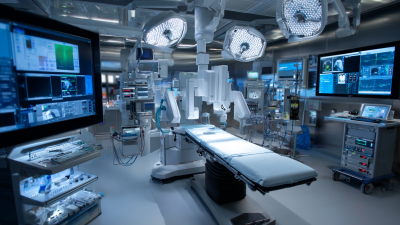
The rapid advancement of technology has significantly transformed the landscape of modern surgical equipment, enhancing the precision and safety of surgical procedures. State-of-the-art tools, such as robotic surgery systems and minimally invasive instruments, empower surgeons to perform complex operations with greater accuracy and reduced recovery times for patients. These technological innovations not only improve surgical outcomes but also facilitate a more efficient workflow in the operating room, ultimately leading to better patient care.
When considering surgical equipment, it's essential to stay informed about the latest technologies and their benefits. **Tip:** Engage in continuous education and training opportunities to become familiar with new devices and techniques. Understanding how these tools function can help healthcare professionals make informed choices when selecting equipment for specific procedures. Additionally, collaboration with a multidisciplinary team can enhance the integration of technology within surgical practices, ensuring that all safety protocols and operational efficiencies are upheld.
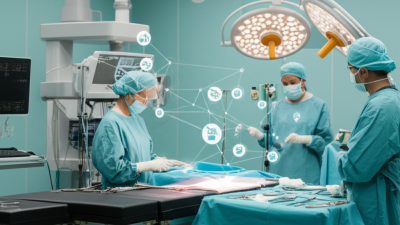
Moreover, the incorporation of digital imaging and data analytics into surgical planning allows for personalized approaches tailored to individual patients' needs. Surgeons can now analyze real-time data to make informed decisions during operations, leading to optimized surgical strategies. **Tip:** Foster a culture of innovation in your practice by encouraging discussions about emerging technologies and their potential applications in surgery. Keeping an open mind towards technological advances can significantly impact the quality of care provided to patients.
What is Surgical Equipment? Types, Uses, and Importance in Modern Medicine - The Role of Technology in Modern Surgical Equipment
| Type of Surgical Equipment |
Uses |
Importance in Modern Medicine |
Technological Advancement |
| Scalpel |
Incisions in tissue |
Precision in cutting |
Improved blade design and materials |
| Scissors |
Cutting various tissues |
Versatility in procedures |
Ergonomic designs for better handling |
| Forceps |
Grasping and holding tissues |
Enhanced control during surgery |
Advanced materials for stronger grip |
| Electrocautery |
Cutting and coagulating tissue |
Minimized blood loss |
Precision control with advanced settings |
| Surgical drapes |
Maintaining a sterile field |
Infection prevention |
Lightweight and better coverage |
| Surgical lights |
Illuminating the surgical area |
Enhancing visibility for precision |
LED technology for better brightness and energy efficiency |
Significance of Surgical Equipment in Patient Outcomes and Safety
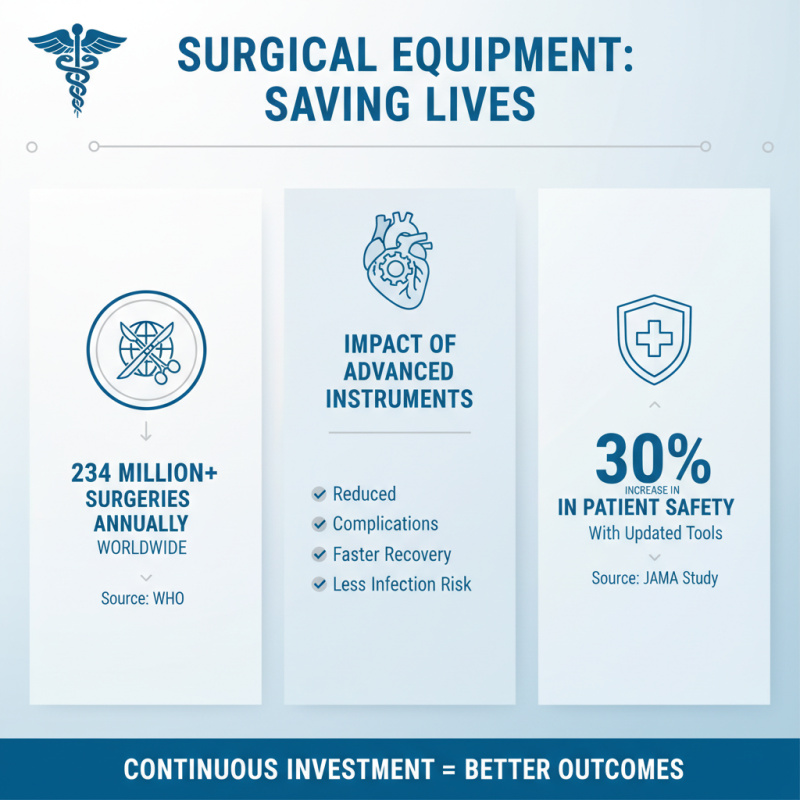
Surgical equipment plays a crucial role in modern medicine, directly impacting patient outcomes and safety. According to a report by the World Health Organization, nearly 234 million surgical procedures take place globally each year, with proper surgical equipment being pivotal in reducing the risk of complications. The accuracy and efficiency provided by advanced instruments—such as robotic surgical systems and minimally invasive tools—have led to a significant decrease in surgical site infections and improved recovery times. A study published in the Journal of the American Medical Association found that the use of updated surgical tools can enhance patient safety by 30%, highlighting the need for continuous investment in the latest technologies.
Tips for ensuring optimal surgical outcomes include regular training for surgical teams on the use of new equipment and protocols. As technology advances, healthcare professionals must remain knowledgeable about the best practices to maximize safety and effectiveness during procedures. Additionally, routine maintenance and checks of surgical instruments can prevent equipment failure, which has been linked to adverse patient outcomes. Ensuring that all surgical tools are sterilized and functioning correctly is essential; reports indicate that adherence to sterilization protocols can reduce the incidence of post-operative infections by up to 50%.
Another vital aspect of surgical equipment's significance is its contribution to the overall surgical environment. Adopting comprehensive surgical checklists, as recommended by the WHO, ensures that every piece of equipment is ready and accessible before operations begin. This process not only enhances surgical efficiency but also minimizes risks for patients. It has been shown that implementing such checklists can reduce surgical morbidity and mortality rates by 30%, underscoring the need for rigorous adherence to safety measures in the operating room.