Top Surgical Equipment Trends to Watch in 2025 for Medical Professionals
As we approach 2025, the landscape of surgery equipment is poised for significant transformation, driven by technological advancements and evolving healthcare needs. Medical professionals must stay abreast of the latest trends that are shaping the future of surgical procedures. From minimally invasive techniques to the integration of artificial intelligence, innovations in surgery equipment are not only enhancing the precision and safety of procedures but also improving patient outcomes and recovery times.
In this rapidly evolving field, the emphasis on sustainability and efficiency is gaining momentum. Surgeons are increasingly seeking tools that not only streamline operations but also minimize waste and environmental impact. Furthermore, the rise of telemedicine and remote surgery highlights the need for equipment that supports connectivity and real-time data exchange, enabling surgeons to perform with greater flexibility and reach.
As we delve into the key trends in surgery equipment for 2025, it is essential for medical professionals to adapt to these changes and embrace the tools that will redefine their practice. By understanding these innovations, surgeons can enhance their capabilities, improve patient care, and remain competitive in an ever-changing medical landscape.

Emerging Technologies Transforming Surgical Equipment by 2025
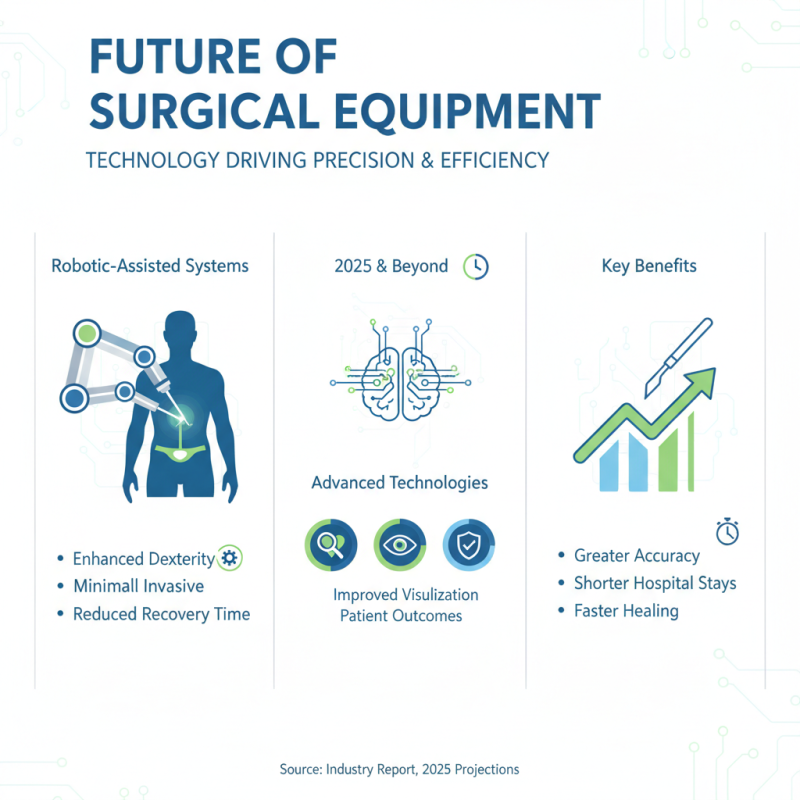
The landscape of surgical equipment is rapidly evolving, driven by the integration of advanced technologies that promise to enhance precision, efficiency, and patient outcomes. One of the most significant trends on the horizon is the rise of robotic-assisted surgical systems. By 2025, these systems are expected to become more sophisticated, offering improved dexterity and a minimally invasive approach to various surgical procedures. Surgeons can leverage real-time data and enhanced visualization techniques, allowing for more accurate interventions with reduced recovery times for patients.
Another transformative technology to watch is the incorporation of artificial intelligence (AI) and machine learning within surgical tools. These advancements will enable predictive analytics, assisting surgeons in decision-making during operations. AI algorithms can analyze vast amounts of data to identify best practices and potential complications, thereby streamlining workflow and increasing overall safety. Additionally, smart sensors embedded in surgical instruments will provide immediate feedback, optimizing performance and reducing the risk of errors. As these technologies mature, medical professionals will be equipped with tools that not only enhance their skills but also redefine patient care in the surgical environment.
Impact of Robotic Surgery on Surgical Precision and Outcomes
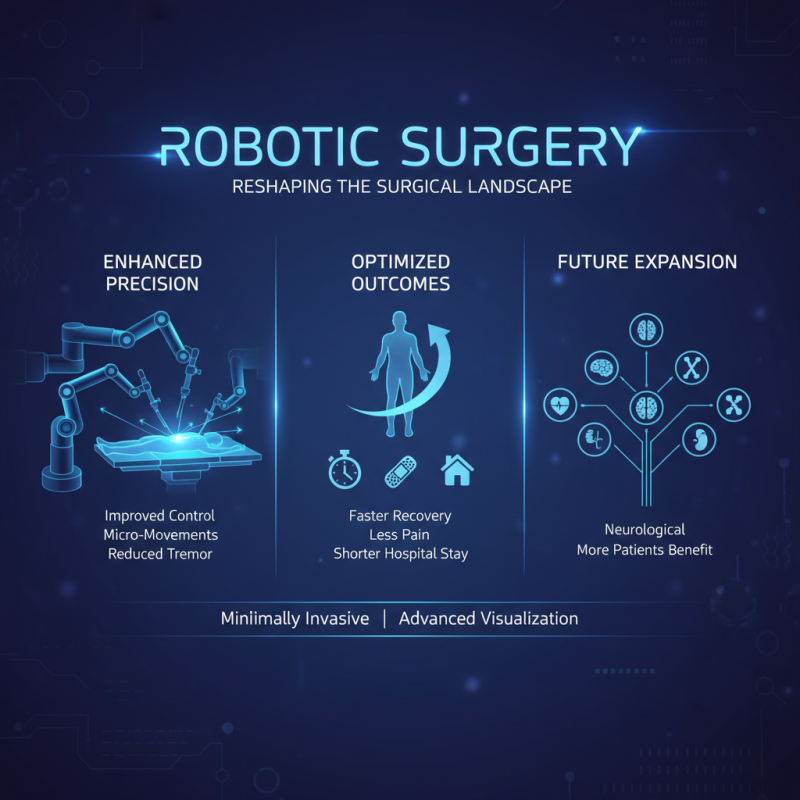
Robotic surgery is set to significantly reshape the surgical landscape, elevating precision and optimizing patient outcomes. The integration of robotic systems allows surgeons to perform complex procedures with enhanced control, improved visualization, and reduced trauma to surrounding tissues. Through minimally invasive techniques, patients experience faster recovery times, decreased pain, and shorter hospital stays. As robotic technology continues to advance, its application will expand into various surgical specialties, ensuring that more patients can benefit from its advantages.
Tips for medical professionals considering the adoption of robotic surgery include staying updated on the latest training programs and certifications available. Gaining proficiency in the operation of robotic systems can be crucial for maximizing their benefits. Additionally, building a strong multidisciplinary team that includes robotic engineers, surgical assistants, and nurses specialized in robotic procedures will ensure smoother operations and optimized patient care.
Moreover, it's essential to engage with ongoing research and clinical trials to understand the long-term impacts of robotic surgery on patient outcomes. Keeping abreast of the latest findings will help professionals stay informed on best practices and the evolving capabilities of robotic technologies, ultimately leading to enhanced surgical results and patient satisfaction.
Integration of AI and Machine Learning in Surgical Instrumentation
The integration of AI and machine learning in surgical instrumentation is set to revolutionize the landscape of healthcare in the coming years. These advanced technologies are enabling the development of smarter surgical tools that can enhance precision, reduce the risk of complications, and improve overall patient outcomes. AI algorithms can analyze vast amounts of data from previous surgeries, helping to predict potential challenges that a surgeon might face during complex procedures. This predictive capability not only fosters better pre-operative planning but also aids in real-time decision-making within the operating room.
Moreover, machine learning systems can adapt and learn from ongoing surgical techniques, allowing instruments to evolve continuously based on collective surgical experiences. With built-in feedback mechanisms, these instruments can provide surgeons with insights that were previously impossible to obtain, such as optimal angles for incision or the best force to apply during delicate maneuvering. This not only empowers surgeons with enhanced capabilities but also reduces the learning curve for less experienced practitioners, ultimately leading to safer surgical practices across various medical disciplines. The convergence of AI and surgical tools promises a future where surgeries are not just performed but are orchestrated with a level of accuracy and foresight never before seen.
Sustainable Practices in Surgical Equipment Manufacturing Trends
Sustainable practices in surgical equipment manufacturing are increasingly taking center stage as the medical community recognizes the importance of environmentally-friendly solutions. In 2025, we can expect manufacturers to adopt innovative materials and processes that minimize waste and reduce the carbon footprint associated with surgical tools. This shift not only addresses environmental concerns but also aligns with the growing demand for sustainable healthcare practices among medical professionals and institutions.
One key trend is the move towards recyclable and biodegradable materials in the production of surgical instruments. Manufacturers are exploring options such as plant-based polymers and metals that can be easily repurposed at the end of their lifecycle. This approach not only conserves resources but also ensures that surgical waste is significantly reduced, making a positive impact on hospital waste management systems.
**Tips:** As medical professionals, staying informed about these trends can be beneficial. Look for opportunities to partner with suppliers who prioritize sustainability in their manufacturing processes. Additionally, advocate for the adoption of eco-friendly equipment in your practice, showcasing a commitment to both patient care and environmental responsibility. Engaging in training sessions on sustainable practices can also equip you with the knowledge needed to implement these changes effectively in your facility.
Top Surgical Equipment Trends to Watch in 2025
This bar chart illustrates the key trends in surgical equipment manufacturing projected for 2025, highlighting the increasing emphasis on sustainable practices and technological advancements in the medical field.
Enhanced Patient Safety Measures through Advanced Surgical Tools
As we look towards 2025, the emphasis on enhanced patient safety measures in surgical procedures is set to reshape the landscape of medical practice. Advanced surgical tools equipped with cutting-edge technologies are emerging as pivotal players in minimizing risks and improving outcomes. Innovations such as enhanced imaging systems and robotic-assisted surgery are allowing surgeons to visualize patient anatomy with unprecedented clarity, leading to more precise interventions and reduced complication rates.
Moreover, the integration of artificial intelligence and machine learning into surgical equipment is revolutionizing pre-operative planning and intraoperative decision-making. By analyzing vast amounts of data, these technologies can predict potential risks and suggest optimal surgical strategies tailored to individual patients. Additionally, the development of smart surgical instruments that can provide real-time feedback during procedures is enhancing the surgeon's ability to adapt techniques mid-operation, further promoting patient safety. As the medical community continues to prioritize patient welfare, the trends in surgical equipment will not only make surgeries safer but also more efficient and effective.
Top Surgical Equipment Trends to Watch in 2025 for Medical Professionals
| Trend |
Description |
Impact on Patient Safety |
Projected Adoption Rate (%) |
| Robotic-Assisted Surgery |
Utilization of robotic systems to perform minimally invasive surgeries. |
Improves precision and reduces recovery times, enhancing overall patient safety. |
70% |
| 3D Printing of Surgical Tools |
Customized surgical instruments tailored to specific patient anatomy. |
Enhances accuracy in surgery and reduces the risk of complications. |
60% |
| Artificial Intelligence in Surgery |
AI algorithms to assist in surgical planning and intraoperative decision-making. |
Reduces human error and enhances surgical outcomes. |
65% |
| Telemedicine in Pre/Post-Operative Care |
Virtual consultations and monitoring for patients before and after surgery. |
Improves access to care and ensures timely follow-ups, enhancing safety. |
75% |
| Wearable Surgical Sensors |
Devices that monitor vital signs and other parameters during surgery. |
Provides real-time data, improving decision-making and patient safety. |
50% |