Top Sleep Monitoring Technology Tips for Better Sleep Quality?
In today's fast-paced world, achieving quality sleep is a growing challenge. Many people struggle to find restful nights. Sleep Monitoring Technology has emerged as a viable solution. This technology provides detailed insights into our sleep patterns, helping us understand what improves or disrupts our rest.
Using sleep monitoring devices, individuals can track their sleep duration and quality. These devices collect data on sleep stages and disturbances. By analyzing this information, users can make informed adjustments to their bedtime routines. However, it's essential to recognize that technology is not infallible. It requires careful interpretation and doesn’t guarantee better sleep for everyone.
Moreover, relying solely on devices may lead to overthinking. Some users may develop anxiety about their sleep quality. Striking a balance between using Sleep Monitoring Technology and intuitive self-care practices is vital. This approach allows for better integration of technology into our lives while valuing our body's natural rhythms. Understanding this relationship can lead to more meaningful improvements in sleep quality.
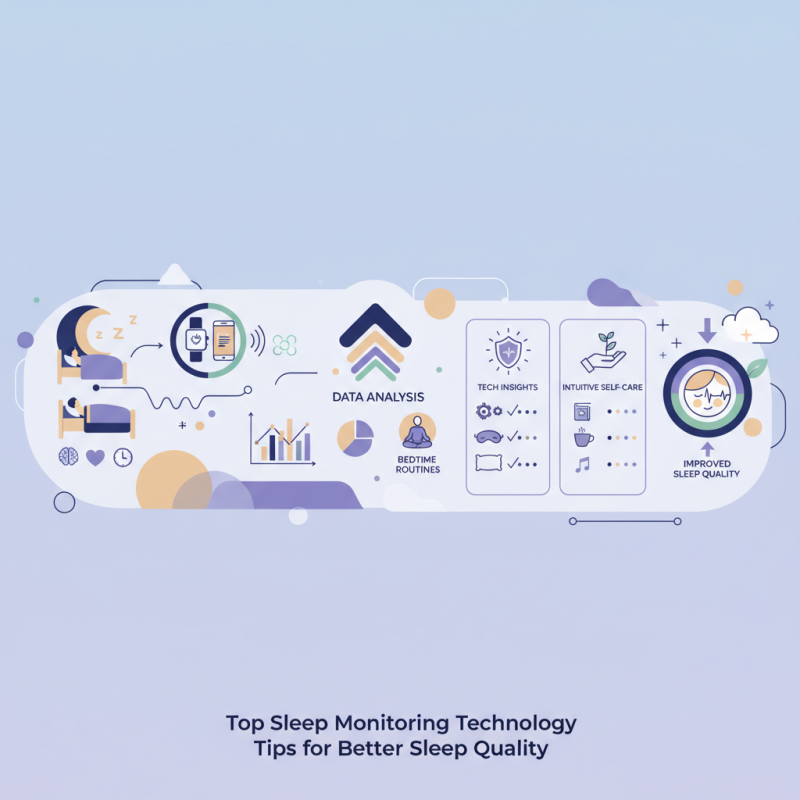
Understanding Sleep Monitoring Technology and Its Importance
Sleep monitoring technology has transformed our understanding of sleep health. With the rise of wearable devices, people can now track their sleep patterns in real-time. This data provides insights into sleep quality and duration. By analyzing these metrics, users can identify factors that disrupt their sleep, such as stress or inconsistent sleep schedules.
Understanding sleep monitoring technology is crucial for improving overall well-being. Accurate tracking can reveal patterns that lead to better sleep habits. For example, noticing that you sleep poorly after late caffeine consumption may prompt a change. However, reliance on technology can sometimes cause anxiety about sleep. Worrying about numbers may ironically disrupt your rest. Balancing tech use with mindful relaxation practices is essential.
The importance of this technology lies in its ability to inform personal health decisions. Yet, users must remain critical of the data. Different devices offer varying accuracy, and personal interpretations can skew results. Engaging with sleep experts can clarify misunderstandings and enhance the benefits of monitoring technology. Ultimately, recognizing limitations will lead to a more effective approach to sleep health.
Key Features to Look for in Sleep Monitoring Devices
When selecting a sleep monitoring device, several key features can significantly enhance the quality of your sleep. Many devices now use advanced sensors to track sleep stages accurately, including light, deep, and REM sleep. According to a recent study by the National Sleep Foundation, understanding these stages can help individuals make more informed choices about their sleep habits.
Another important feature is heart rate variability (HRV) tracking. Research shows that HRV can provide insights into stress levels and recovery. Devices that monitor HRV allow you to see how lifestyle choices impact your overall health. A significant percentage of users report improved sleep when they adjust their routines based on HRV data.
When utilizing sleep technology, it's vital to avoid over-reliance on the data. Many users become obsessed with metrics. A study by the American Psychological Association highlights that this can create anxiety rather than promote better sleep. Instead, use these insights to encourage healthy habits without becoming fixated on numbers. Aim for balance in your approach to sleep monitoring technology.
Best Sleep Tracking Apps Available in the Market
Sleep tracking apps have gained popularity in recent years. They offer insights into sleep patterns and can help improve overall sleep quality. Many of these apps use advanced algorithms to analyze sleep data. This allows users to identify disturbances and tailor their sleep environment.
When choosing a sleep tracking app, consider its features. Look for options that provide detailed reports on sleep cycles. Some apps even offer relaxation techniques to help you fall asleep faster. However, not every app is perfect. Many users report inaccuracies in data, leading to frustration.
It’s essential to regularly evaluate which metrics are most helpful for you. Some people might find tracking deep sleep more useful than REM stages. Experimenting with different settings could lead to discovering what helps improve your sleep the most. Use the app as a tool, not a strict guide. Adapting the recommendations to your unique situation is key.
Top Sleep Monitoring Technology Tips for Better Sleep Quality
| Feature | Description | User Rating (out of 5) | Compatibility |
| Sleep Cycle Tracking | Monitors your sleep phases and wakes you during the lightest sleep phase. | 4.5 | iOS, Android |
| Heart Rate Monitoring | Records your heart rate during sleep to assess sleep quality. | 4.2 | iOS, Android, Wearables |
| Sleep Environment Analysis | Assesses ambient factors like noise and light affecting sleep. | 4.3 | iOS, Android |
| Smart Alarm | Wakes you at the optimal time based on your sleep cycle. | 4.6 | iOS, Android |
| Sleep Score Analytics | Provides a score based on various sleep metrics for self-assessment. | 4.4 | iOS, Android, Web |
Using Data from Sleep Monitors to Improve Sleep Hygiene
Sleep monitors can transform your approach to sleep hygiene. By analyzing your sleep patterns, these devices provide crucial insights into your nightly rest. Data collected can reveal the duration of your deep and REM sleep. This information is essential for making informed adjustments to improve sleep quality.
For example, if you notice frequent awakenings, it may indicate stress or an uncomfortable sleeping environment. Small changes like adjusting the room temperature or creating a calming bedtime routine can be beneficial. Tracking variables like caffeine intake or screen time before bed can also highlight habits that interfere with restful sleep.
Many people assume they sleep well, but monitors often reveal discrepancies. Self-reflection is important; consider your feelings upon waking. Are you truly rested? Utilize these insights to personalize your sleep environment. Focus on what works for you, and continue to adapt until you find the right balance for better sleep.
Tips for Integrating Sleep Technology into Your Routine
Integrating sleep technology into your routine can enhance sleep quality. One effective method involves using sleep tracking devices. According to a study published in the Journal of Clinical Sleep Medicine, up to 37% of users noticed improved sleep patterns within weeks. These devices monitor your sleep cycles, helping you understand when you’re in deep or light sleep. With that data, you can adjust your bedtime for optimal rest.
Creating a sleep-friendly environment is also essential. Smart lighting systems can mimic natural light patterns. They gradually dim before bedtime, promoting melatonin production. Research from the National Sleep Foundation reveals that such gradual changes in light can improve sleep onset time by up to 30%. However, there’s a catch. Some people may find it hard to switch off from devices entirely, leading to disrupted sleep. Regularly assessing your sleep habits can help you identify areas for improvement.
Lastly, mindfulness apps can be a game-changer. They often include guided meditations tailored for sleep. Studies indicate that individuals who practice mindfulness experience reductions in sleep-related anxiety and can sleep better. Yet, it's crucial to find the right app for your needs, as not all users benefit equally. Experimenting with different features may lead to greater satisfaction.