What is the Importance of Surgical Products in Modern Healthcare
In the realm of modern healthcare, the role of surgical products has become increasingly critical in ensuring patient safety and enhancing surgical outcomes. Dr. Emily Richards, a leading expert in surgical technology, asserts that "the evolution of surgical products is pivotal in bridging the gap between complex surgical challenges and successful patient recoveries." This statement underscores the essential nature of innovative surgical tools, instruments, and devices that facilitate precise interventions and improve efficiency in operating rooms.
As surgical procedures continue to advance, the demand for high-quality surgical products has never been more significant. These products not only include traditional instruments, but also encompass cutting-edge technologies such as minimally invasive tools, advanced sutures, and patient monitoring systems. Each innovation contributes to reducing surgical risks and promoting faster recovery times, paving the way for improved patient care and overall health outcomes.
Ultimately, the importance of surgical products in modern healthcare goes beyond mere functionality; it embodies a commitment to continuous improvement and innovation in the medical field. By investing in high-quality surgical products, healthcare providers enhance their ability to deliver safe, effective, and compassionate care to patients, reinforcing the vital relationship between technology and healthcare excellence.
Importance of Surgical Products in Enhancing Patient Safety
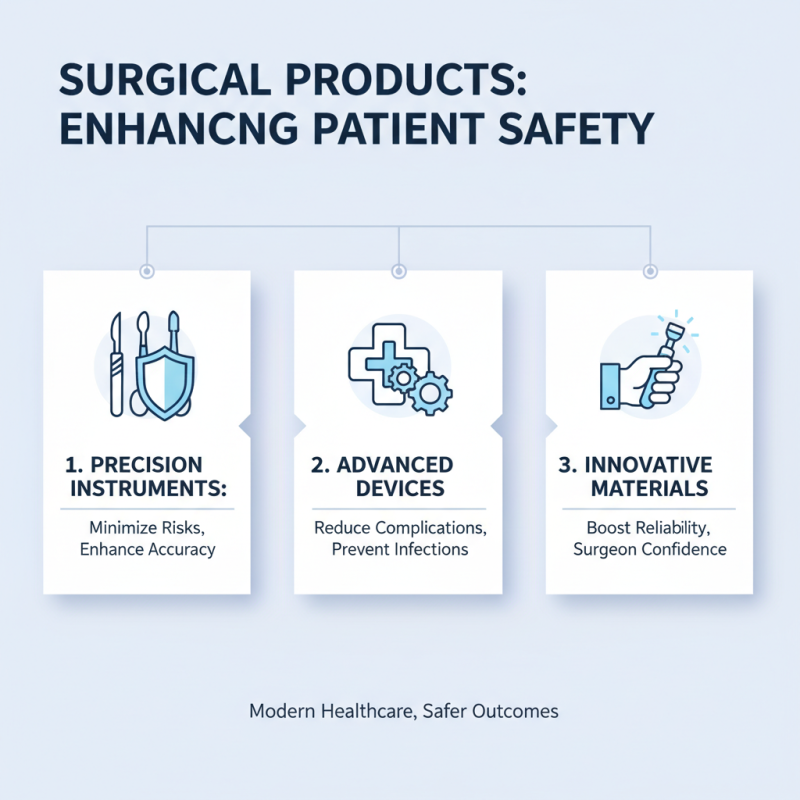
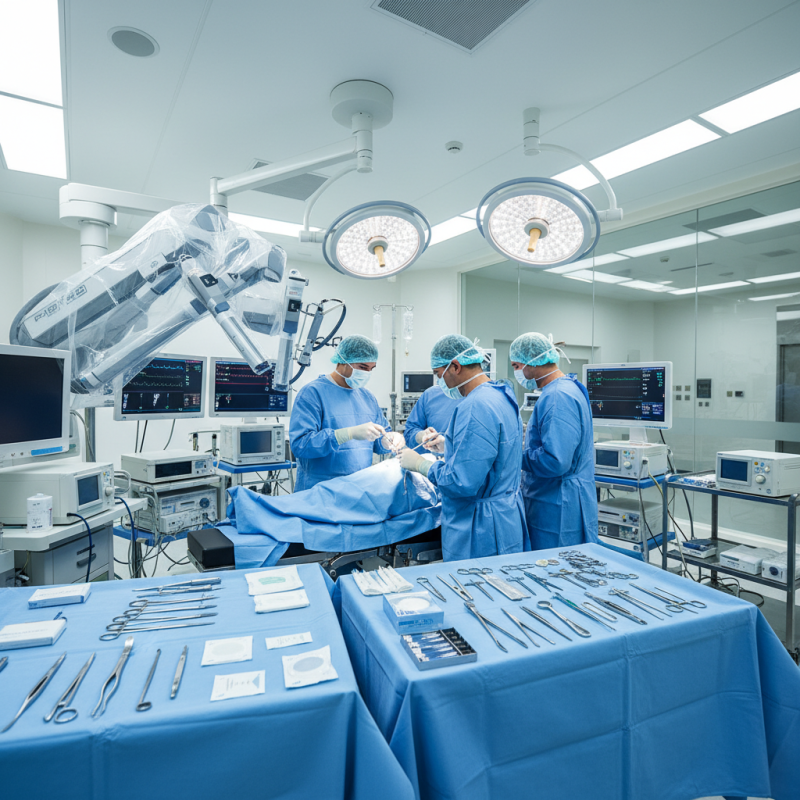
Surgical products play a pivotal role in enhancing patient safety, forming an essential part of modern healthcare practices. These products, ranging from surgical instruments to advanced medical devices, are designed with precision to minimize risks associated with surgical procedures. For instance, high-quality instruments ensure that the procedures are conducted efficiently and accurately, reducing the likelihood of complications such as infections or unintentional injuries. The integration of innovative materials and technologies into surgical tools further enhances their reliability and effectiveness, providing surgeons with the confidence needed during critical operations.
In addition to the physical aspects of surgical products, their contribution to patient safety extends to the overall surgical environment. The use of standardized protocols and high-quality surgical products fosters a culture of safety among healthcare professionals. Training and adherence to these protocols equip surgical teams with the necessary skills to utilize these products effectively, promoting teamwork and communication during procedures. Consequently, this collective focus on safety leads to improved patient outcomes and a reduction in surgical errors, emphasizing the indispensable role that surgical products play in the contemporary healthcare landscape.
The Role of Surgical Instruments in Surgical Precision and Efficiency
Surgical instruments play a crucial role in enhancing surgical precision and efficiency, directly influencing patient outcomes. These instruments, designed for specific tasks, enable surgeons to perform delicate procedures with minimal invasiveness. The right tools, such as scalpels, forceps, and suturing devices, allow for greater control and accuracy, reducing the likelihood of complications. The integration of advanced technologies, such as robotic-assisted surgery, further amplifies this precision, allowing surgeons to execute complex maneuvers with exceptional dexterity.
Tips: When selecting surgical instruments, it's essential to consider their ergonomics and functionality. Instruments that are easy to handle can reduce fatigue during lengthy procedures, enabling surgeons to maintain focus and efficiency. Regular maintenance and sterilization of instruments are equally important to ensure their effectiveness and minimize the risk of infection.
Moreover, innovation in surgical products, such as minimal-access instruments, supports faster recovery times and less postoperative pain. Investing in high-quality surgical tools not only optimizes the surgical process but also enhances the overall quality of care. Prioritizing education on the latest surgical techniques and instrument handling can further empower healthcare professionals to utilize these tools to their fullest potential.
Impact of Surgical Products on Recovery Times and Patient Outcomes
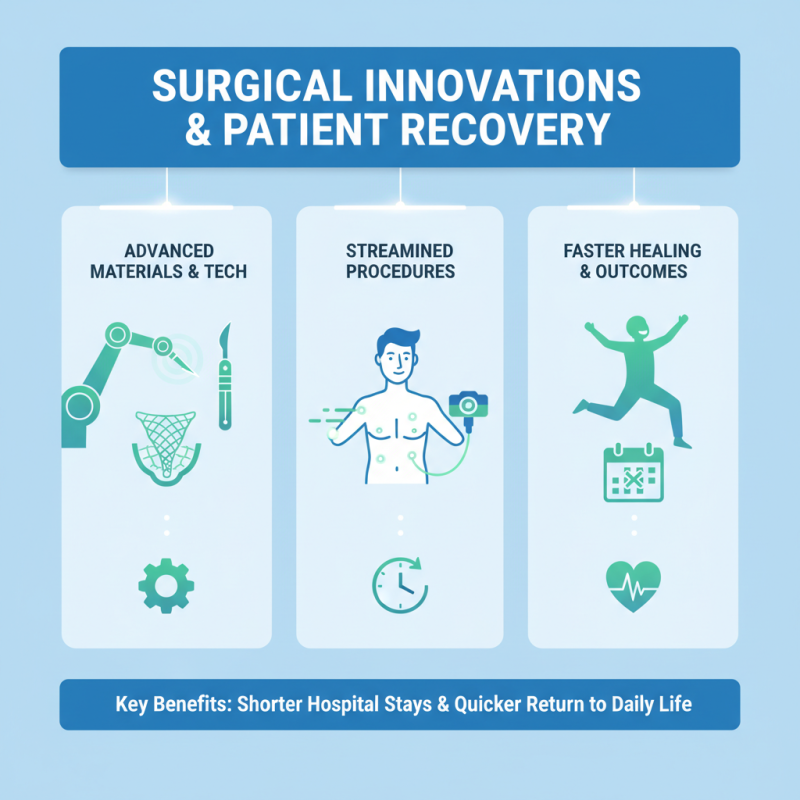
Surgical products play a pivotal role in modern healthcare, particularly in influencing recovery times and patient outcomes. The advancement of materials and technologies used in surgical instruments, implants, and devices have significantly streamlined procedures, reducing the time patients spend under anesthesia and in surgery. For instance, minimally invasive surgical tools allow for smaller incisions, which not only lessen trauma but also lead to faster healing. Consequently, patients experience shorter hospital stays and quicker return to their daily activities, enhancing overall satisfaction with their surgical experience.
Moreover, the quality and design of surgical products directly affect the rate of complications and the eventual success of a procedure. High-quality sutures, for example, can minimize scarring and reduce the risk of infection, thereby contributing to a more favorable recovery process. Additionally, the integration of advanced technologies such as robotic-assisted surgery has proven to enhance precision and control during operations, further improving patient outcomes. By optimizing both the surgical process and postoperative care, the right surgical products can significantly influence how well patients recover, reinforcing the importance of innovation in this field.
Advancements in Surgical Technologies and Their Clinical Significance
The landscape of modern healthcare has been significantly transformed by advancements in surgical technologies, which play a crucial role in improving patient outcomes and enhancing the efficiency of surgical procedures. Innovative surgical products, such as minimally invasive instruments, robotic-assisted systems, and advanced imaging technologies, have redefined traditional methodologies. These tools not only reduce the complexity of surgeries but also minimize patient recovery times, leading to quicker discharges from medical facilities and lower associated healthcare costs.
The clinical significance of these advancements goes beyond mere efficiency; they also enhance precision and safety during operations. For instance, laparoscopic techniques allow surgeons to perform intricate procedures with smaller incisions, which decreases trauma to surrounding tissues and lowers the risk of complications. Enhanced visualization technologies, such as 3D imaging, provide surgeons with better anatomical insights, facilitating more accurate interventions. As such, the integration of cutting-edge surgical products within healthcare systems is paramount, ensuring that clinicians are equipped with the best tools to optimize both patient care and surgical outcomes.
Importance of Surgical Products in Modern Healthcare
This bar chart illustrates the market growth percentages of various surgical products in modern healthcare. As advanced technologies in surgery continue to evolve, products such as robotic surgery and minimally invasive surgery demonstrate significant growth potential, highlighting their clinical significance and impact on patient outcomes.
The Economic Implications of Surgical Products in Healthcare Systems
Surgical products play a crucial role in modern healthcare, not only in terms of improving patient outcomes but also through their significant economic implications for healthcare systems. In recent years, the global surgical instruments market has been projected to grow steadily, with a value expected to reach approximately $24 billion by 2025, according to industry analysis reports. This growth reflects the increasing demand for advanced medical technologies and emphasizes the need for healthcare systems to invest in high-quality surgical products, which can drive down long-term costs by improving surgical efficiency and reducing complication rates.
Investing in innovative surgical products can yield substantial economic benefits. Studies indicate that optimized surgical procedures can reduce hospital stays and improve recovery times, ultimately leading to lower overall healthcare expenditures. For instance, implementing minimally invasive techniques has been shown to decrease both direct costs related to surgeries and indirect costs associated with post-operative care. As healthcare systems face mounting financial pressures, these efficiencies can be critical in managing budgets while ensuring patient safety and satisfaction.
**Tip:** When considering the procurement of surgical products, healthcare providers should prioritize options that not only meet regulatory standards but also offer data on efficacy and cost-effectiveness. **Tip:** Collaborating with suppliers who emphasize research and development in their products can lead to improved patient outcomes and generate substantial savings in the long run. Investing wisely in surgical products is an essential strategy for any modern healthcare facility looking to enhance its operations and financial health.
What is the Importance of Surgical Products in Modern Healthcare
| Category |
Subcategory |
Estimated Market Size (USD Billion) |
Projected Growth Rate (%) |
Impact on Healthcare Cost |
| Surgical Instruments |
Scissors, Forceps, Scalpels |
10.5 |
6.5 |
Reduces surgical time and error rates |
| Surgical Devices |
Robotic Surgery Systems |
4.3 |
15.7 |
Improves precision and patient outcomes |
| Implants |
Orthopedic, Cardiac |
8.2 |
7.2 |
Long-term savings through improved recovery |
| Consumables |
Surgical Drapes, Sutures |
3.1 |
5.0 |
Essential for infection control |
| Anesthesia Equipment |
Ventilators, Monitors |
6.0 |
8.4 |
Enhances patient safety during surgery |