
How to Buy Used Surgical Equipment Safely?
Buying used surgical equipment can reduce costs, but savings should never replace clinical judgment. A polished exterior does not prove safe performance. Hidden faults may sit inside a cautery unit, anesthesia machine, or surgical light. This guide explains how to evaluate used surgical equipment through evidence, inspection, and professional review.
Start with the equipment’s identity. Record its manufacturer, model, serial number, production date, and intended clinical use. Ask for maintenance logs, service reports, calibration records, and ownership history. Missing paperwork is a warning sign. A reputable supplier should answer specific questions without pressure. Check whether qualified biomedical engineers have inspected the device. Request a written report, not only a sales description.
Look closely at physical details. Examine cracked insulation, loose connectors, rust near fluid lines, faded labels, and damaged control buttons. Power the device in a controlled setting. Test alarms, displays, foot pedals, batteries, and emergency functions. For equipment involving patient contact, verify cleaning, sterilization, and replacement-part procedures. Confirm that the device meets applicable healthcare regulations and facility requirements. Independent testing may be worthwhile.
Even careful buyers can miss something. I have seen clean equipment hide incomplete service histories. That is why a second opinion matters. Compare the total cost, including transport, installation, calibration, training, and repairs. Do not rely on an unusually low price. Choose traceability over convenience, and documented performance over appearance. Safe purchasing is not merely a financial decision. It is a patient-safety decision supported by practical experience, technical expertise, and responsible verification.
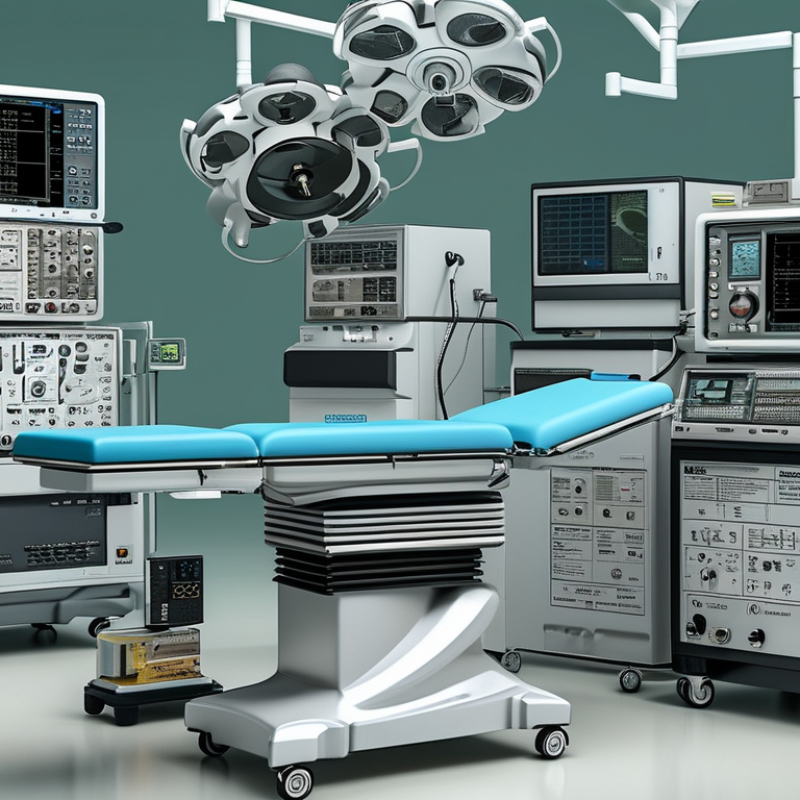
Define the Clinical Need and Equipment Requirements
Before buying used surgical equipment, define the clinical task in measurable terms. Identify the procedure, patient volume, operating environment, and acceptable failure tolerance. A general operating room may need different specifications from a rural day-surgery unit. Write down required functions, dimensions, power supply, mobility, sterilization compatibility, and alarm performance.
Do not begin with a bargain price.
The World Health Organization reports that approximately one in ten patients experiences harm during healthcare, with more than half considered preventable. This finding makes clinical suitability more important than apparent savings. Match each device to documented needs, not optimistic assumptions. For an electrosurgical unit, specify output modes, load limits, monitoring features, and service history. For an operating table, define weight capacity, positioning range, braking performance, and accessory compatibility. A 2023 ECRI report also emphasizes that equipment failures and weak maintenance processes can create serious clinical risks. Ask for preventive-maintenance records, electrical-safety tests, software status, and replacement-part availability.
Inspect the details.
A cracked cable, unstable wheel, faded label, or missing manual may signal deeper neglect. I have found that requirement lists are often too broad, while real procedures expose overlooked constraints. That is an uncomfortable gap. Leave room for human error, future patient needs, and staff training. Have surgeons, nurses, biomedical engineers, and infection-control personnel review the specification together. Their disagreement can be useful. It may reveal that the cheapest device cannot support the actual workflow, cleaning process, or emergency response. Sources: WHO, Global Patient Safety Action Plan 2021–2030; ECRI, Top 10 Health Technology Hazards 2023.
How to Buy Used Surgical Equipment Safely? - Define the Clinical Need and Equipment Requirements
| Requirement Area | Clinical Question | Recommended Requirement or Acceptance Criteria | Documents or Tests to Review Before Purchase | Priority | Safety Risk if Unmet |
|---|---|---|---|---|---|
| Intended Procedure | Which procedures and patient populations will use the equipment? | Define the procedure type, expected patient age and weight range, frequency of use, care setting, and required level of precision. | Written clinical-use statement approved by the responsible surgeon, department head, or clinical engineering team. | High | The equipment may be technically functional but clinically unsuitable for the intended procedure. |
| Performance Specifications | What measurable performance is needed? | Set measurable limits such as operating range, flow rate, pressure, temperature, speed, image resolution, load capacity, or cutting power, depending on equipment type. | Original technical specifications, service-manual limits, calibration certificate, and a demonstration under representative operating conditions. | High | Inadequate performance can cause delayed treatment, poor clinical results, or unsafe operation. |
| Patient Contact | Does the device contact the patient or deliver energy, fluid, gas, or medication? | Identify all patient-contacting parts, accessories, probes, electrodes, tubing, handpieces, and disposables. Confirm that compatible replacement parts remain available. | Device instructions for use, accessory list, material information, and inspection of insulation, seals, connectors, and patient-contact surfaces. | High | Damaged or incompatible components may cause burns, electric shock, infection, leakage, or incorrect treatment. |
| Regulatory Status | Is the used equipment legally permitted for the intended use in the location of operation? | Verify applicable medical-device registration, importation, labeling, intended-use documentation, and local requirements. The device must not be modified beyond its authorized use without appropriate evaluation. | Regulatory records, declaration or certificate where applicable, serial-number history, labeling, and evidence of lawful ownership and transfer. | High | Unapproved or improperly transferred equipment may create legal, insurance, and patient-safety exposure. |
| Service History | What is known about the equipment's previous use and maintenance? | Prefer equipment with traceable preventive-maintenance records, repair history, operating hours, fault history, and documented ownership transfer. | Maintenance logs, repair invoices, previous inspection reports, software or firmware records, and evidence of completed safety notices or recalls. | High | Hidden defects, missed maintenance, or unresolved safety issues may appear after installation. |
| Functional Inspection | Does the equipment operate correctly across its full intended range? | Test start-up, controls, alarms, displays, emergency stops, operating modes, accessories, and all clinically important functions using a documented checklist. | On-site acceptance test performed by qualified technical personnel, with results recorded against the manufacturer's specifications. | High | Intermittent faults or failed alarms may not be visible during a basic power-on check. |
| Electrical Safety | Is the equipment safe for connection to the facility's electrical system? | Confirm voltage, frequency, plug type, grounding, fuse or circuit requirements, and compatibility with local power. Patient-connected equipment should receive electrical-safety testing by qualified personnel. | Electrical-safety test report, protective-earth continuity, insulation, leakage-current results, power-cord inspection, and review against applicable medical electrical-equipment requirements such as IEC 60601-1 where relevant. | High | Electrical faults can cause shock, fire, equipment damage, or interruption of life-supporting functions. |
| Infection Control | Can the equipment be cleaned, disinfected, or sterilized safely? | Confirm approved cleaning agents, disinfection level, sterilization method, contact time, temperature limits, and whether surfaces tolerate repeated processing. | Current instructions for use, decontamination records, inspection for cracks or fluid ingress, and verification that reusable parts have validated processing instructions. | High | Improper reprocessing can transmit infection or damage the equipment and compromise its performance. |
| Calibration and Accuracy | Which measurements or outputs must remain accurate? | Identify critical parameters such as pressure, temperature, flow, volume, dose, speed, or imaging output, and define acceptable tolerance based on the device documentation and clinical use. | Recent calibration certificate, calibration method, reference standards used, due date, and independent verification before clinical release. | High | Incorrect measurements or delivered output may lead to misdiagnosis, overdose, undertreatment, or tissue injury. |
| Software and Data | Does the equipment depend on software, network access, or stored patient data? | Confirm software version, user accounts, data export, cybersecurity controls, network compatibility, backup procedures, and secure removal of data from the previous owner. | Software documentation, update history, cybersecurity assessment, data-erasure confirmation, user-access test, and network-integration test where applicable. | High | Unsupported software, exposed patient information, or incompatible systems can create clinical and privacy risks. |
| Compatibility | Will the equipment work with existing instruments, accessories, utilities, and workflows? | Check mechanical interfaces, connectors, tubing, gas supplies, vacuum, water, drainage, network standards, table dimensions, and compatibility with existing sterile instruments. | Compatibility matrix, facility utility survey, accessory fit test, and written confirmation from qualified technical staff. | High | Incompatibility can prevent use, cause leaks or mechanical failure, and increase procedure delays. |
| Physical Condition | Are the frame, wheels, casing, cables, hinges, seals, and controls in acceptable condition? | No structural cracks, corrosion affecting safety, exposed wiring, damaged insulation, fluid ingress, unstable wheels, missing guards, or unreadable safety labels. | Photographic condition report, hands-on inspection, movement and stability test, and inspection of all included accessories. | Medium | Physical deterioration may cause contamination, instability, mechanical injury, or sudden equipment failure. |
| Training and Usability | Can staff operate the equipment consistently and respond to alarms? | Require user manuals, quick-reference instructions, role-based training, alarm-response procedures, and documented competency checks before clinical use. | Training materials, attendance records, competency checklist, and supervised trial using representative cases or test loads. | High | Unfamiliar controls or misunderstood alarms increase the likelihood of user error. |
| Availability of Parts | Can essential parts and consumables be obtained during the expected service life? | Confirm availability of batteries, seals, lamps, filters, sensors, cables, handpieces, patient-contact parts, and other consumables. Identify acceptable alternatives only when compatibility is verified. | Parts list, expected lead times, minimum stock requirements, supplier documentation, and evidence that critical components are still supported. | Medium | Unavailable parts can make safe maintenance impossible and cause prolonged downtime. |
| Installation and Environment | Can the facility safely install and operate the equipment? | Confirm room size, floor loading, ventilation, temperature, humidity, illumination, shielding where applicable, utility capacity, and required clearances. | Site-readiness checklist, facility survey, installation instructions, and documented commissioning test after installation. | High | Incorrect environmental conditions can reduce accuracy, damage components, or create hazards for patients and staff. |
| Emergency and Backup Planning | What happens if the equipment fails during a procedure? | Define backup equipment, manual alternatives, battery duration where applicable, escalation contacts, and safe shutdown or transfer procedures. | Downtime procedure, emergency checklist, battery-capacity test, backup-equipment verification, and staff drill or simulation. | High | Failure without a contingency plan may interrupt critical treatment or endanger the patient. |
| Total Cost of Ownership | Is the used purchase financially safe over its expected service period? | Calculate purchase price, transport, installation, refurbishment, calibration, training, consumables, preventive maintenance, repairs, software support, and disposal costs. | Written quotation, estimated annual maintenance cost, parts pricing, warranty terms, delivery conditions, and acceptance criteria tied to payment. | Medium | Low purchase cost may conceal high repair costs, unavailable parts, or unsafe deferred maintenance. |
| Final Acceptance | Has the equipment been approved for clinical release? | Release the equipment only after installation, decontamination, functional testing, electrical-safety testing, calibration, documentation review, and staff training are complete. | Signed acceptance report, risk assessment, asset record, maintenance schedule, test results, and authorization from clinical engineering or the responsible facility authority. | High | Using equipment before formal acceptance can expose patients and staff to unresolved hazards. |
Important: Acceptance criteria should be adjusted to the specific device type, clinical procedure, local regulations, and manufacturer instructions. Used equipment should not enter patient care until qualified personnel complete documented inspection and commissioning.
Related Posts
-

The Future of Used Surgical Equipment Market Trends and Innovations
-

Exploring Opportunities for Medical Device Distributors at China Import and Export Fair 2025
-

2026 Best Home Equipment for Every Household Need?
-

Innovative Solutions for Optimizing Surgery Equipment Efficiency in Healthcare Facilities
-

5 Best Neurosurgery Instruments for Precision in Surgical Procedures
-
Pioneering Global Healthcare Solutions with Premier Chinese Surgical Equipment Sales