What is a Medical Device and How to Choose the Right One?
In the evolving world of healthcare, the role of a medical device is paramount. Dr. Emily Chen, a leading expert in medical technology, once stated, "Choosing the right medical device can significantly impact patient outcomes." This insight underscores the importance of making informed choices.
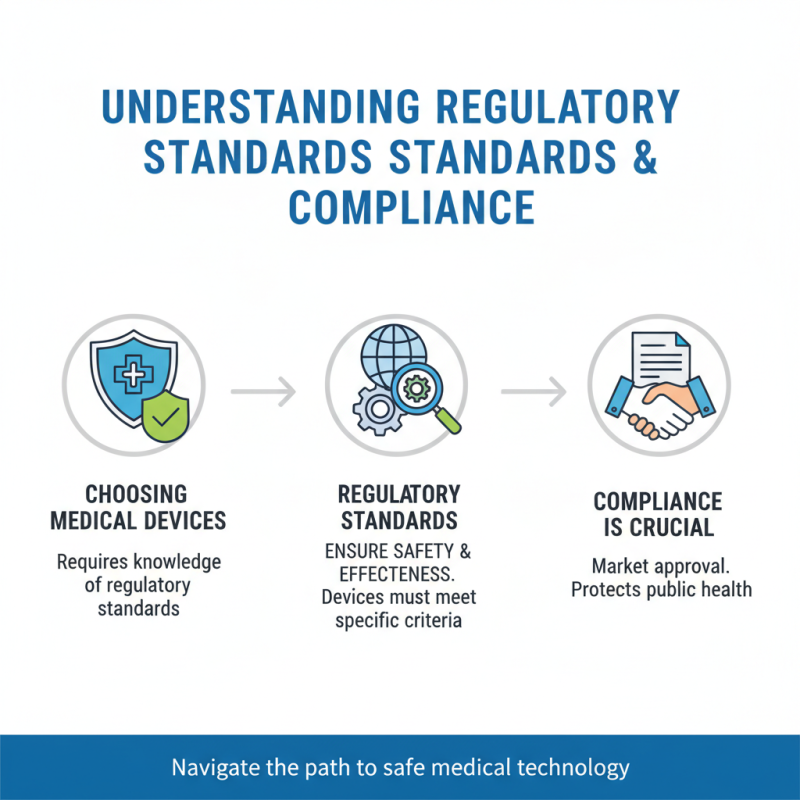
Finding a suitable medical device can be daunting. The market offers a variety of options. Each device serves a unique purpose and meets specific needs. Navigating through this complexity requires knowledge and careful consideration. Understanding the intended use, user experience, and regulatory standards is essential.
Moreover, individuals must consider their preferences and medical history. Each decision has a ripple effect on health and well-being. It is essential not only to rely on the latest technology but also to critically evaluate its effectiveness. Amidst the pressure of quick advancements, reflecting on personal needs and expert guidance can lead to better choices.

Definition and Classification of Medical Devices
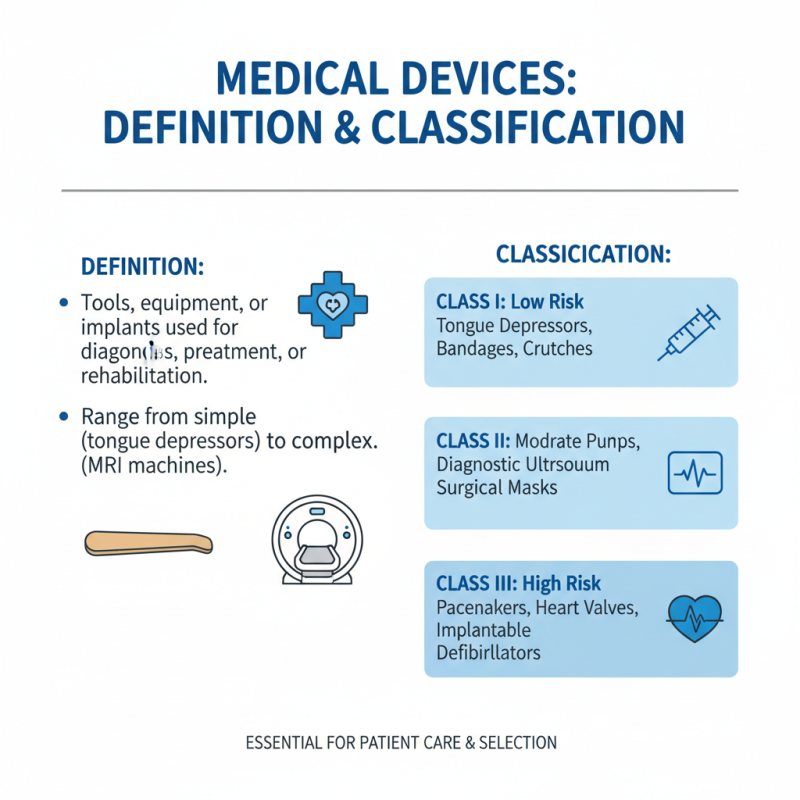
Medical devices play a vital role in healthcare. They range from simple tools like tongue depressors to complex equipment like MRI machines. Understanding their classification is essential for selecting the right device for patient needs.
Medical devices are often divided into three main categories: Class I, Class II, and Class III. Class I devices pose the lowest risk. Examples include bandages and handheld surgical instruments. They usually follow general controls, requiring minimal regulation. Class II devices, such as infusion pumps, offer moderate risk. They require adherence to specific standards and guidelines, ensuring safety and efficacy. Class III devices, like pacemakers, are the highest risk. They undergo rigorous testing and regulatory scrutiny.
When selecting a medical device, consider its classification. This will guide the decision-making process. Each class has its own standards that define safety, effectiveness, and usage. However, there can be challenges. Some devices may not fit neatly into these categories. This can create uncertainty. It’s essential to remain informed and consult professionals when in doubt.
Key Factors to Consider When Choosing a Medical Device
Choosing the right medical device is crucial for effective healthcare. Understanding key factors can guide your decision-making. Start with your specific needs. Assess the medical condition the device targets. Consult with healthcare professionals for expert advice. Their insights can greatly influence your choice.
Consider safety and effectiveness. Look for devices that comply with safety standards. Research user reviews. Real experiences can reveal potential issues. Safety and reliability should be top priorities. Don’t ignore these aspects.
Another key factor is ease of use. A complicated device can lead to errors. Ensure that instructions are clear. User-friendly designs promote better compliance. Investing time in understanding the device can prevent mistakes.
Tips: Always verify credentials when seeking device recommendations. A well-informed professional can help you navigate options. Keep updated with recent developments in medical technology. This helps in making informed choices.
Medical Device Selection Criteria
The chart above illustrates the key factors to consider when selecting a medical device, with emphasis on their respective importance scores. Effectiveness is rated the highest, followed by safety and usability, indicating that these are critical aspects to prioritize when making a decision.
Evaluating Product Effectiveness and Safety
When selecting a medical device, evaluating product effectiveness and safety is crucial. Different devices serve various purposes. For example, a blood glucose monitor helps manage diabetes, while a heart rate monitor tracks cardiac health. Each device must demonstrate reliability in its function. Checking clinical studies and peer reviews can provide valuable insights.
Consider potential risks associated with each device. Some may not suit everyone. For instance, an advanced device could offer better features but might be more difficult to use. Understanding these trade-offs is essential. Safety features should be a priority. Look for alerts or built-in controls that enhance user protection.
User testimonials can highlight real-world effectiveness. Reading about others' experiences sheds light on performance. It's important to remain aware of limitations. Some devices may not perform well under specific conditions. Ask healthcare professionals for advice tailored to individual needs. Balancing safety with effectiveness requires thoughtful consideration.
Tips for Selecting the Right Supplier or Manufacturer
Selecting the right supplier or manufacturer for medical devices is crucial. According to a report by the Medical Device Manufacturers Association, over 40% of healthcare providers face difficulties when sourcing reliable manufacturers. This can impact device performance and patient safety significantly. Therefore, it is vital to evaluate potential partners thoroughly.
Start by assessing their certifications and compliance. A credible supplier should meet international standards, such as ISO 13485. Furthermore, their production processes need transparency. Manufacturers should be open to sharing detailed information on quality control measures. This can include audit reports and testing results. Choose those who have a solid history in device innovation. A supplier's experience often correlates with their reliability.
Engage with reviews and feedback from other healthcare providers. Trusted sources provide valuable insights into a supplier's reputation. Learning from others' experiences can prevent costly mistakes. Lastly, consider their customer support services. A responsive partner can aid in quickly resolving issues. Remember, the quality of the device ultimately depends on the manufacturer behind it.