How to Choose the Best Surgical Light for Your Needs?
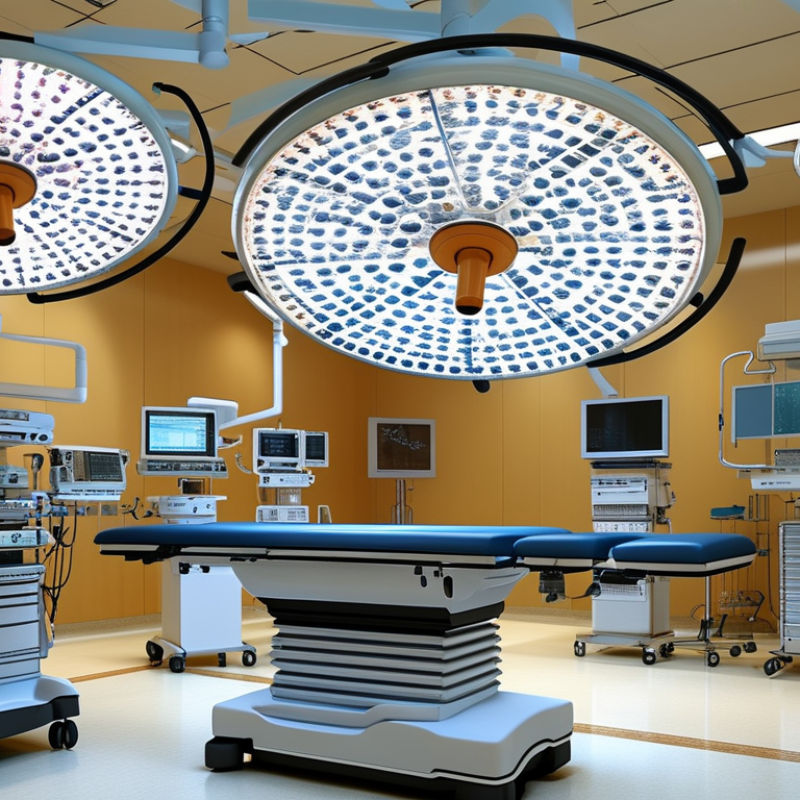
Choosing the right Surgical Light is crucial for any medical facility. The effectiveness of surgical procedures can hinge on the quality of illumination provided. A surgical light enhances visibility, ensuring precision during operations. However, selecting the best option can be overwhelming.
Various factors must be considered. Brightness, adjustability, and color temperature matter greatly. Too much brightness can cause glare, while insufficient light can lead to errors. Moreover, the design should allow for easy maneuverability. Users often underestimate the importance of these features.
Surgical lights come in numerous types and models. The choices can leave even experienced professionals puzzled. It's vital to evaluate your specific needs before making a decision. Investing time in research often pays off. Remember, the light can significantly impact surgical outcomes.
Understanding the Importance of Surgical Lighting in Medical Procedures
Surgical lighting plays a crucial role in medical procedures. Proper illumination is essential for accuracy during surgeries and examinations. Insufficient lighting can lead to miscalculations and increased risks. Surgeons need to see every detail clearly. A bright, shadow-free environment enhances precision and improves outcomes.
When selecting surgical lights, consider the color temperature. The right temperature impacts visibility and reduces eye strain. A cooler light tends to enhance contrast, making tissues easier to differentiate. Evaluate the adjustability of the light as well. Lights that can be repositioned allow for better focus on the surgical site. This flexibility is vital during complex procedures.
Tip: Look for lights with different intensity settings. Surgeons often require varied illumination based on the procedure's complexity. Additionally, ensure the lights are easy to clean. Hygiene is paramount in a surgical environment. A light that’s complicated to maintain can become a liability. Prioritize functionality and usability in your selection.
Key Features to Look for in Surgical Lights
When selecting a surgical light, several key features become vital to ensure optimal performance. Brightness is crucial. A good surgical light should provide ample illumination to prevent shadows on the surgical field. Look for lights with adjustable brightness settings. This allows customization according to specific surgical procedures and individual preferences.
Color temperature is another important factor. A light with a color temperature of around 4500 Kelvin mimics natural daylight, helping surgeons see true tissue colors. This aids in better decision-making during critical surgeries. Moreover, consider the arm length and mobility of the light. Flexible and easy-to-position designs enhance efficiency in the operating room.
Lastly, durability and maintenance are often overlooked. Surgical lights should withstand the demanding environment of operating rooms. Regular cleaning and low-maintenance designs facilitate long-term reliability. Reflecting on your specific needs in these areas can lead to more informed decisions. Each surgical procedure may have unique lighting requirements, so collaboration with the surgical team is essential.
Comparison of Key Features in Surgical Lights
This chart illustrates the average values of key features to consider when choosing surgical lights. The data showcases essential parameters such as brightness, color temperature, energy consumption, lifespan, and adjustment range. Understanding these features can help you select the best surgical light for your specific needs.
Different Types of Surgical Lights and Their Applications
When selecting surgical lights, it's essential to understand the different types available and their applications. Surgical lights can be broadly categorized into two main types: LED and halogen. LED lights are energy-efficient and have a longer lifespan, often exceeding 50,000 hours. This longevity can significantly reduce replacement costs. Conversely, halogen lights provide bright illumination but consume more power and have a shorter operational life, generally around 2,000 hours.
Studies indicate that surgical lighting accounts for about 20% of the total energy usage in an operating room. With advancements in technology, some modern surgical lights offer features like adjustable color temperature and intensity. These features help optimize visibility for different surgical procedures. For instance, a color temperature of around 4500K to 5000K is often recommended for general surgery. It ensures the ideal contrast of tissues for better visibility.
The choice of surgical light can also affect the surgeon's fatigue levels. Inadequate lighting may lead to increased eye strain and decreased focus. Research has shown that proper lighting can enhance surgical precision and improve overall outcomes. However, continually evolving technology can lead to confusion over which type is best suited for specific needs. Balancing cost, energy efficiency, and technological advancements remains challenging in making the ideal choice. Understanding these details can guide healthcare facilities in making informed decisions.
Evaluating the Cost and Value of Surgical Lighting Options
When evaluating surgical lighting options, understanding the cost versus value is essential. Research shows that high-quality lighting can improve surgical outcomes by up to 30%. This statistic underscores the importance of investing in effective solutions. However, budget constraints often guide purchasing decisions. Many facilities might sacrifice quality for lower upfront costs, but this can lead to long-term consequences.
Consider the lifespan of surgical lights. Reliable models can last over 20,000 hours. This longevity translates to less frequent replacements, providing better value over time. Yet, many facilities overlook maintenance costs. Initial savings can quickly dissipate if lights fail to meet safety or efficiency standards. Additionally, energy-efficient options can reduce power consumption by 50%. This factor is often underestimated in budget assessments.
Diving deeper, lighting color temperature also affects procedural outcomes. Studies reveal that optimal color temperatures enhance visibility, reducing the risk of errors. Yet, only about 40% of facilities prioritize this aspect during procurement. An informed approach requires balancing initial costs with potential future benefits. Investing wisely can lead to better surgical environments and improved patient safety.
Considerations for Maintaining and Upgrading Surgical Lighting Systems
Maintaining and upgrading surgical lighting systems is crucial for optimal performance. Regular maintenance can prevent failures and ensure consistent light output. According to a report by the World Health Organization, improper lighting can lead to surgical errors in 20% of cases. This underscores the importance of maintaining surgical lights in top condition.
When considering upgrades, evaluate the latest technologies. New LED lights offer better illumination and longer lifespans. A study from the Journal of Surgical Research indicates that LED lights can reduce energy consumption by over 50%. Transitioning to these systems can also save costs in the long run.
Periodic assessments are essential. Many facilities neglect this, leading to outdated equipment and insufficient lighting. Perform regular checks on brightness and color temperature. Following the guidelines from the American College of Surgeons can enhance surgical outcomes significantly. Investing in training for staff on using updated systems is also vital. This ensures that all personnel can take full advantage of advancements in lighting technology.
How to Choose the Best Surgical Light for Your Needs?
| Criteria | Description | Importance Level |
| Light Intensity | Brightness required for various surgical procedures. | High |
| Color Temperature | The color of light, measured in Kelvin, that affects tissue visibility. | Medium |
| Mobility | Ease of repositioning the light fixture during surgery. | High |
| Power Source | Electrical or battery-powered options and their reliability. | Medium |
| Heat Emission | Amount of heat produced and impact on the surgical environment. | High |
| Ease of Cleaning | Design considerations for infection control and maintenance. | Medium |
| Durability | Material and build quality for long-term usage. | High |
| Adjustability | Ability to adjust beam angles and focus. | High |