2025 Top Medical Instruments You Need to Know About for Better Healthcare
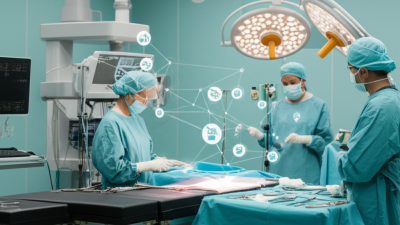
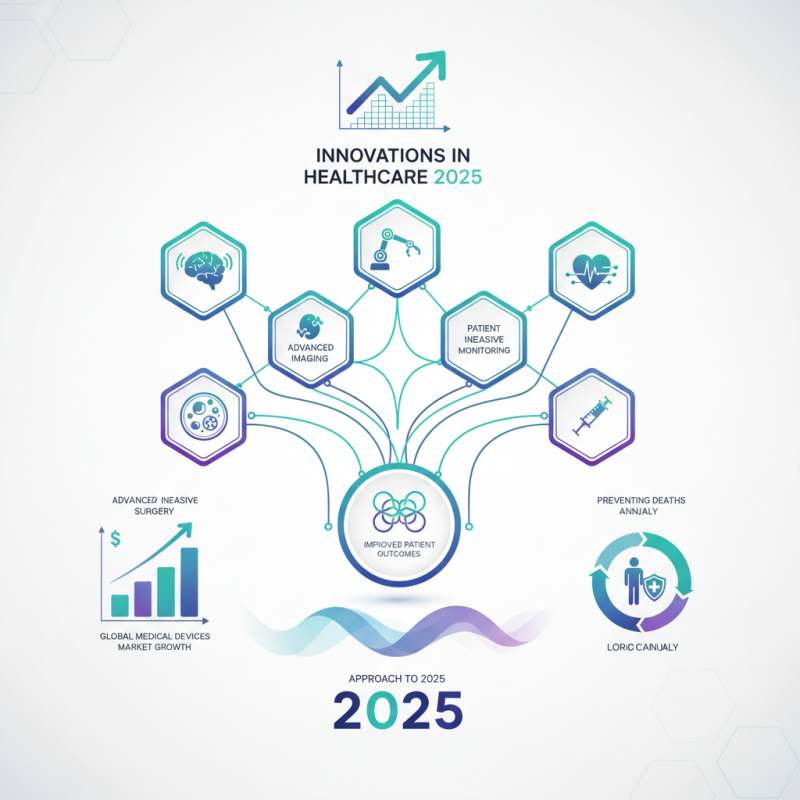
As we approach 2025, the landscape of healthcare continues to evolve rapidly, driven by advancements in technology and the ever-growing demand for improved patient outcomes. A key aspect of this evolution is the innovative medical instruments that are transforming diagnostic and treatment capabilities across various healthcare settings. According to a report by Grand View Research, the global medical devices market is expected to reach $612 billion by 2025, highlighting the significant investment in and dependence on these vital tools in enhancing healthcare delivery.
Medical instruments not only play a crucial role in patient care but also contribute to operational efficiencies within healthcare systems. The incorporation of sophisticated imaging devices, minimally invasive surgical tools, and advanced monitoring equipment is reshaping how clinicians diagnose and treat illnesses. For instance, the World Health Organization estimates that effective use of modern medical instruments could prevent approximately 10 million deaths annually by improving diagnosis and treatment accuracy.
In this context, understanding the top medical instruments to watch for in 2025 is imperative for healthcare professionals and institutions alike. By staying informed about these innovations, stakeholders can enhance their practices, optimize resource allocation, and ultimately foster a better healthcare environment for patients around the globe.
Emerging Technologies in Medical Instruments for 2025
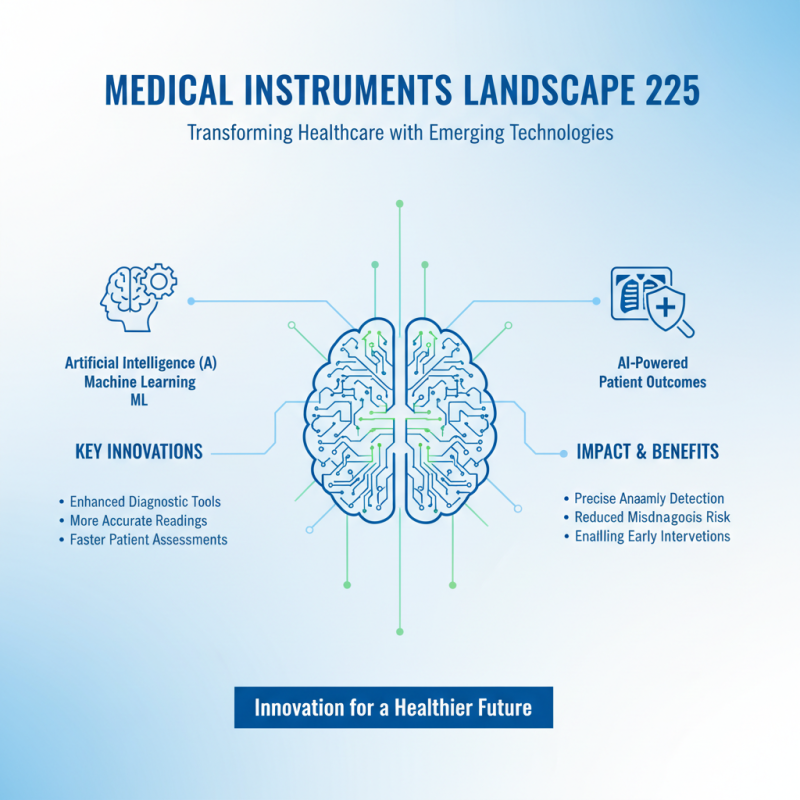
As we approach 2025, the medical instruments landscape is poised for significant transformation, driven by emerging technologies that promise to enhance healthcare outcomes. Innovations such as artificial intelligence (AI) and machine learning are beginning to reshape diagnostic tools, providing more accurate readings and faster patient assessments. For instance, AI-powered imaging systems can now detect anomalies with greater precision, reducing the likelihood of misdiagnosis and enabling early interventions.
In addition to AI, wearable technology is set to revolutionize patient monitoring. Devices that track vital signs in real-time will allow healthcare providers to manage chronic conditions more effectively, delivering personalized care seamlessly. Innovations like smart sensors and telemedicine platforms are also facilitating remote consultations, bridging the gap between patients and healthcare professionals. These advancements not only improve access to healthcare but also empower patients, promoting proactive health management. As 2025 approaches, these emerging technologies hold great potential for transforming medical instruments, ultimately leading to better patient outcomes and more efficient healthcare systems.
Essential Diagnostic Tools Transforming Patient Care
As we look towards 2025, the landscape of healthcare continues to evolve, driven by advancements in diagnostic tools that are essential for transforming patient care. Essential diagnostic tools like portable ultrasound machines and advanced imaging technologies are redefining how practitioners interact with and diagnose conditions in patients. According to a report by Grand View Research, the global portable ultrasound market is projected to reach $3.5 billion by 2027, highlighting the growing importance of these tools in providing real-time, on-site diagnostics that enhance patient outcomes.
To maximize the impact of these innovations, healthcare providers should prioritize integration and training. Tip: Investing in training sessions for staff on new diagnostic tools can significantly improve their effectiveness and adoption within clinical settings. Moreover, employing AI-powered diagnostic tools can expedite the analysis process, allowing for quicker treatment decisions. Tip: Consider leveraging AI tools that analyze imaging data; studies show they can increase diagnostic accuracy by up to 20%, which is crucial for timely patient interventions. As these diagnostic instruments continue to advance, their role in shaping proactive healthcare will be indispensable.
Innovative Surgical Instruments Shaping Future Operations
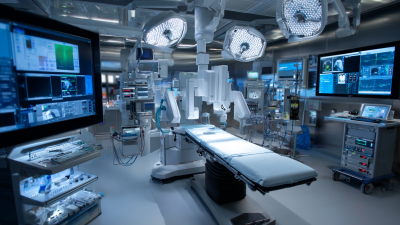
The landscape of surgical instruments is evolving rapidly, driven by advances in technology and a growing focus on precision and patient safety. In 2025, several innovative surgical tools are set to shape the way operations are performed. Among these, robotic-assisted surgery systems stand out, allowing surgeons to execute complex procedures with enhanced accuracy and minimal invasiveness. These systems not only improve surgical outcomes but also reduce recovery times, which is crucial in today’s fast-paced healthcare environment.
Additionally, the integration of artificial intelligence into surgical instruments is revolutionizing decision-making during operations. Smart instruments equipped with AI algorithms can provide real-time data and analytics, assisting surgeons in making informed choices throughout the procedure. Another significant advancement is the development of bioresorbable sutures and staples, which eliminate the need for removal and reduce the risk of infection. As these innovative surgical instruments continue to emerge, they promise to transform patient care and set new standards for excellence in medical practices.
Advanced Monitoring Devices Enhancing Patient Safety and Outcomes
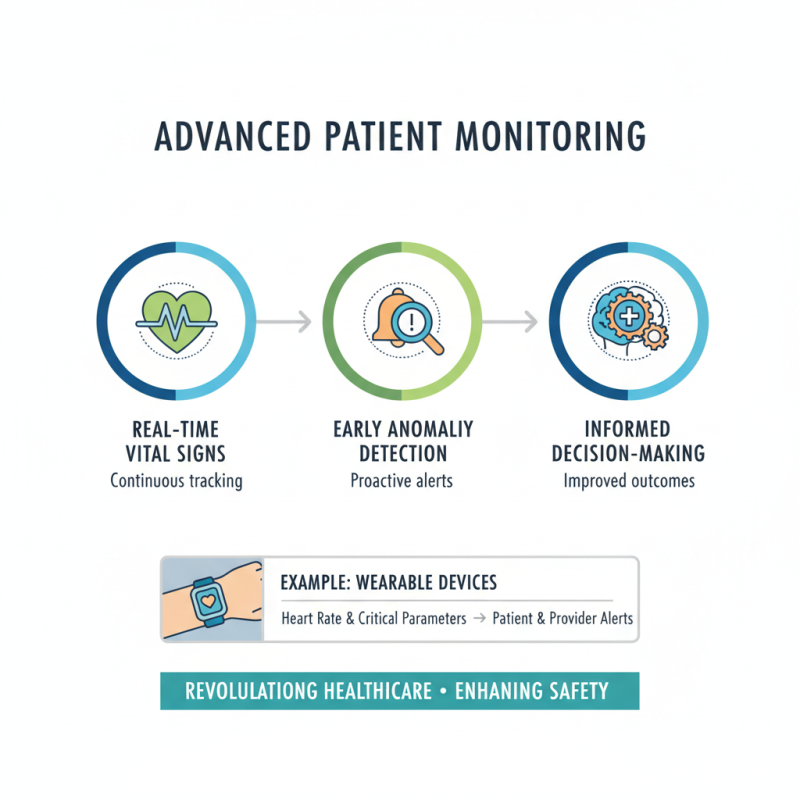
In recent years, advanced monitoring devices have revolutionized the healthcare landscape, enhancing patient safety and outcomes. These instruments, equipped with cutting-edge technology, allow healthcare professionals to track vital signs in real-time, detect anomalies early, and make informed decisions swiftly. For instance, wearable devices can continuously monitor heart rates and other critical parameters, alerting both patients and providers to potential issues before they escalate.
Tips for choosing the right monitoring devices include considering the specific needs of your patient population. Selecting devices that offer interoperability with existing systems ensures seamless data integration, which can improve care coordination. Additionally, it is vital to prioritize user-friendly interfaces to aid both healthcare providers and patients in using these tools effectively.
Another vital aspect is ensuring that the device's accuracy is validated through clinical testing. Regular updates and maintenance of the devices can further enhance their reliability and safety in everyday clinical settings. As technology continues to evolve, staying informed about the latest advancements in monitoring devices can significantly contribute to better healthcare outcomes and improved patient safety.
Revolutionary Rehabilitation Equipment for Improved Recovery Processes
In 2025, revolutionary rehabilitation equipment is set to transform recovery processes across healthcare settings. Innovative technologies such as deep brain stimulation (DBS) are paving the way for quicker improvements in arm and hand functions for stroke patients. This modality not only promises enhanced physical recovery but also embodies a shift towards more personalized rehabilitation approaches. As healthcare professionals increasingly adopt these tools, the potential for accelerated recovery timelines grows exponentially.
Tips for Effective Rehabilitation: Utilize technology-driven solutions like wearable devices that monitor patient progress. Consistent feedback from these devices can help patients and therapists adjust recovery plans in real time, ensuring optimal outcomes. Additionally, consider integrating telehealth options into rehabilitation sessions to maintain engagement and facilitate progress from the comfort of the patient’s home.
Furthermore, emerging treatments such as vagus nerve stimulation implants have shown promise in revitalizing traditional rehabilitation methods for stroke recovery. By combining cutting-edge technologies with established practices, healthcare providers are redefining the rehabilitation landscape. For patients, these advancements mean improved recovery experiences and outcomes, making it essential for both patients and healthcare professionals to stay informed about the latest innovations in rehab technology.
2025 Top Medical Instruments for Better Healthcare
This chart displays the projected adoption rates of revolutionary rehabilitation equipment in healthcare settings by 2025, highlighting the importance of these technologies in improving patient recovery processes.